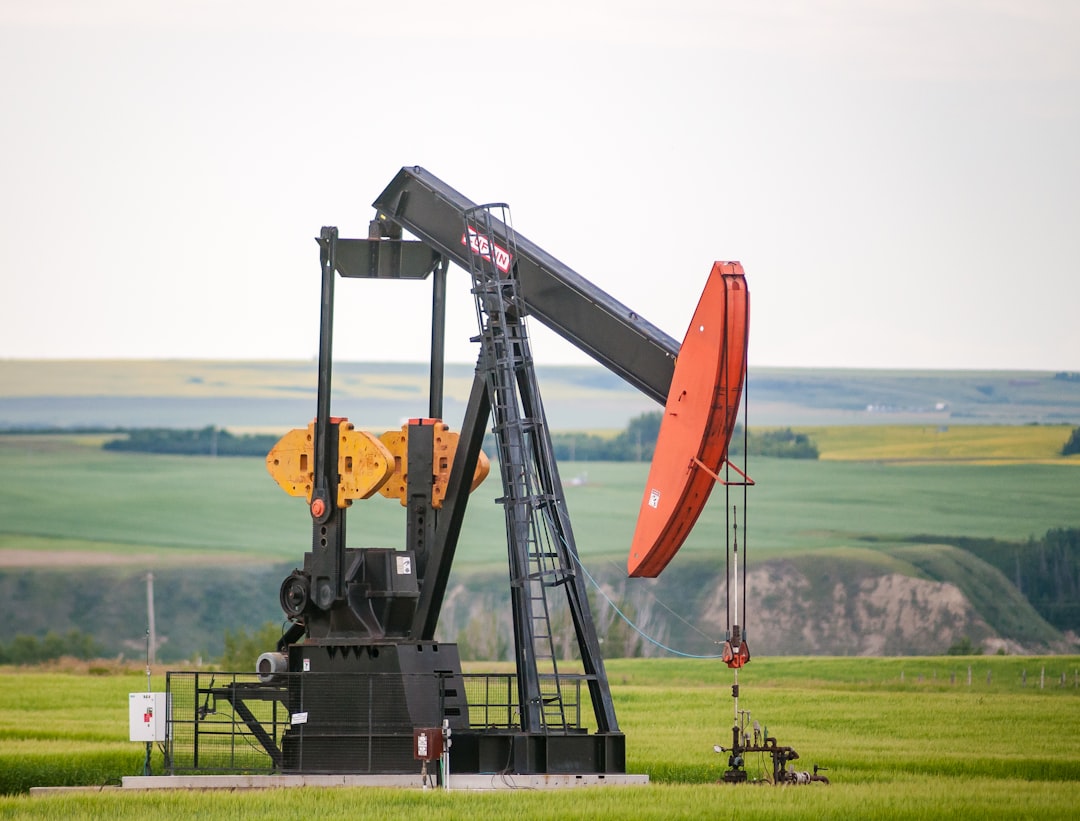
Introduction: A Refining Powerhouse in the Heart of Asia
When international investors think of South Korea’s stock market, tech giants like Samsung and SK Hynix tend to dominate the conversation. But beyond the semiconductor sector lies a robust energy landscape, and at its center stands S-Oil (에스오일, 010950.KS) — one of the largest and most profitable oil refining companies in South Korea. Backed by the world’s biggest oil producer, Saudi Aramco, S-Oil occupies a unique and strategically important position in the Asian energy market.
For investors seeking exposure to the global energy value chain through an Asian lens, S-Oil offers a compelling combination of scale, strategic partnerships, and ambitious growth plans. This post provides a comprehensive overview of the company, its recent performance, and why it deserves a place on international investors’ radar screens.
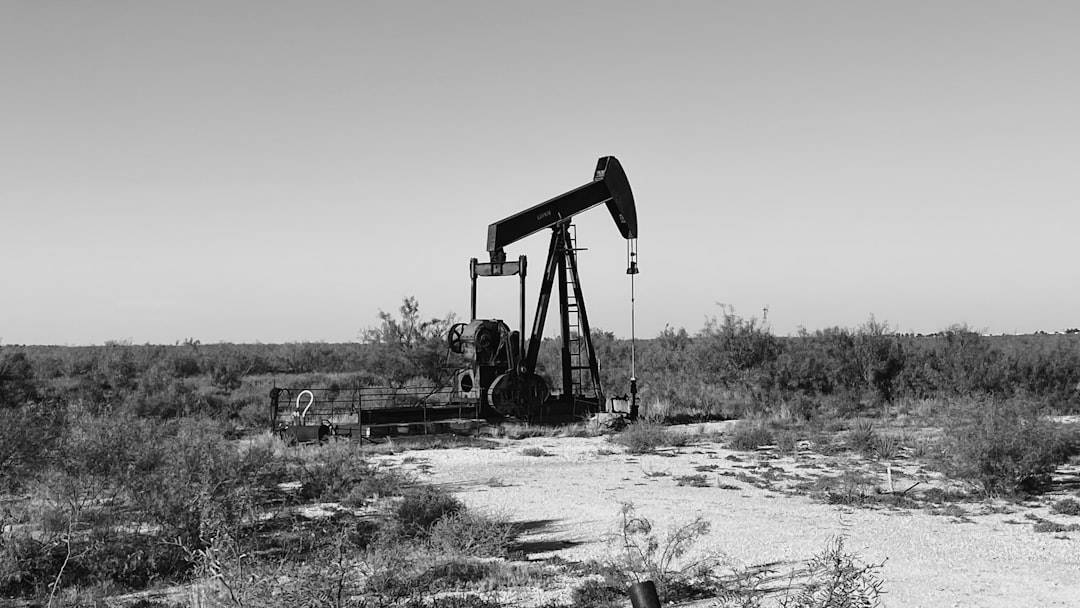
Business Overview: Refining, Petrochemicals, and a Saudi Aramco Stamp of Approval
S-Oil operates one of the most advanced and efficient oil refineries in the Asia-Pacific region. Headquartered in Seoul with its main refinery complex located in Onsan, Ulsan — South Korea’s industrial heartland — the company has a crude oil refining capacity of approximately 669,000 barrels per day (bpd). This makes it the third-largest refiner in South Korea, following SK Innovation and GS Caltex.
The company’s operations are organized around three core business segments:
- Refining: The production and sale of petroleum products including gasoline, diesel, jet fuel, kerosene, and fuel oil. This is S-Oil’s largest revenue driver and the foundation of its business.
- Petrochemicals: The manufacturing of petrochemical products such as paraxylene (PX), benzene, and propylene, which serve as essential feedstocks for downstream industries including plastics, textiles, and packaging.
- Lubricants: S-Oil is the largest base oil producer in South Korea and one of the leading lube base oil suppliers globally, with products that command premium pricing in international markets.
What distinguishes S-Oil from many of its peers is its majority shareholder: Saudi Arabian Oil Company (Saudi Aramco), which holds a 63.4% stake in the company. This relationship is far more than symbolic. Saudi Aramco provides S-Oil with a stable and cost-competitive supply of crude oil, giving the Korean refiner a significant advantage in feedstock procurement. In an industry where margins are razor-thin and crude supply reliability can make or break profitability, this partnership is a formidable competitive moat.
Recent Performance: Navigating a Volatile Energy Market
The global refining industry has experienced dramatic swings in recent years, from the demand collapse during the COVID-19 pandemic to the extraordinary crack spread expansion in 2022 driven by the Russia-Ukraine conflict and post-pandemic recovery. S-Oil has navigated these turbulent waters with mixed but instructive results.
In 2022, S-Oil posted record-breaking profits as refining margins surged to multi-year highs. The company reported operating profit of approximately KRW 2.7 trillion (roughly USD 2 billion), benefiting from exceptionally wide crack spreads — the difference between crude oil input costs and refined product prices. Robust demand for diesel and jet fuel, combined with global supply disruptions, created a golden period for refiners worldwide.
However, 2023 and into 2024 brought a more normalized environment. Refining margins contracted from their 2022 peaks as global refining capacity expanded, particularly in the Middle East and Asia. China’s slower-than-expected economic recovery also weighed on petrochemical demand, pressuring S-Oil’s PX and aromatics margins. Despite these headwinds, S-Oil maintained positive operating results, reflecting the resilience of its diversified business model and operational efficiency.
On the financial health front, S-Oil has historically maintained a relatively strong balance sheet compared to smaller regional refiners. The company also has a track record of returning capital to shareholders through consistent dividend payments, making it an attractive option for income-focused investors. S-Oil’s dividend yield has frequently exceeded those of major Korean blue chips, though payouts naturally fluctuate with the cyclical nature of the refining business.
The Shaheen Project: A Transformational Bet on the Future
Perhaps the most important story for S-Oil’s long-term trajectory is the Shaheen Project, a massive downstream investment initiative that represents the single largest capital expenditure in the company’s history. Valued at approximately KRW 9.26 trillion (around USD 7 billion), the project is being developed at the existing Onsan complex and is expected to begin operations around 2026.
The Shaheen Project centers on the construction of a steam cracker and associated petrochemical facilities that will convert crude oil directly into high-value chemicals, including ethylene and propylene. This technology, known as crude-oil-to-chemicals (COTC), dramatically reduces the cost and complexity of producing petrochemicals by bypassing traditional naphtha cracking processes.
For S-Oil, the project serves multiple strategic objectives:
- Diversification away from pure refining: As the global energy transition accelerates and long-term demand for transportation fuels faces structural uncertainty, pivoting toward petrochemicals provides S-Oil with a more durable revenue stream. Petrochemical demand is expected to grow steadily, driven by packaging, construction, and consumer goods consumption in emerging markets.
- Deeper integration with Saudi Aramco: The Shaheen Project aligns closely with Saudi Aramco’s global strategy of expanding its downstream and chemicals footprint. Aramco’s financial and strategic backing gives the project a level of credibility and support that few competitors can match.
- Technological leadership: By adopting COTC technology, S-Oil is positioning itself at the cutting edge of refining-petrochemical integration, potentially achieving cost advantages over conventional petrochemical producers in Asia.
That said, the Shaheen Project also introduces execution risk. Large-scale capital projects are inherently susceptible to cost overruns, construction delays, and shifts in market conditions. The substantial debt financing required for the project will temporarily increase S-Oil’s leverage, which could pressure the balance sheet and dividend capacity in the near term.
Why International Investors Should Pay Attention
S-Oil presents a distinctive investment proposition for several reasons. First, it offers direct exposure to Asia’s refining and petrochemical markets through a single, well-managed company with a transparent governance structure — a relative rarity in the Korean energy sector. Second, the Saudi Aramco backing provides an unusual level of strategic stability and crude oil supply security that most independent refiners simply cannot replicate.
Third, the Shaheen Project represents a clear long-term growth catalyst. If executed successfully, it could fundamentally reshape S-Oil’s earnings profile, shifting the company from a cyclical refiner to a more balanced refining-chemicals integrated player with higher and more stable margins.
For international investors, S-Oil is also accessible. The stock trades on the Korea Exchange (KRX) under ticker 010950.KS and is included in several major Korean equity indices. While investing in Korean stocks involves navigating foreign ownership regulations and currency exposure (KRW/USD), the increasing openness of South Korea’s capital markets — including its pursuit of MSCI Developed Market status — is steadily reducing these barriers.
Investors should, however, remain mindful of the inherent cyclicality of the refining business, geopolitical risks related to Middle Eastern crude supply, and the execution challenges surrounding the Shaheen Project. S-Oil is not a defensive holding; it is a cyclical play with long-term transformation potential.
Conclusion
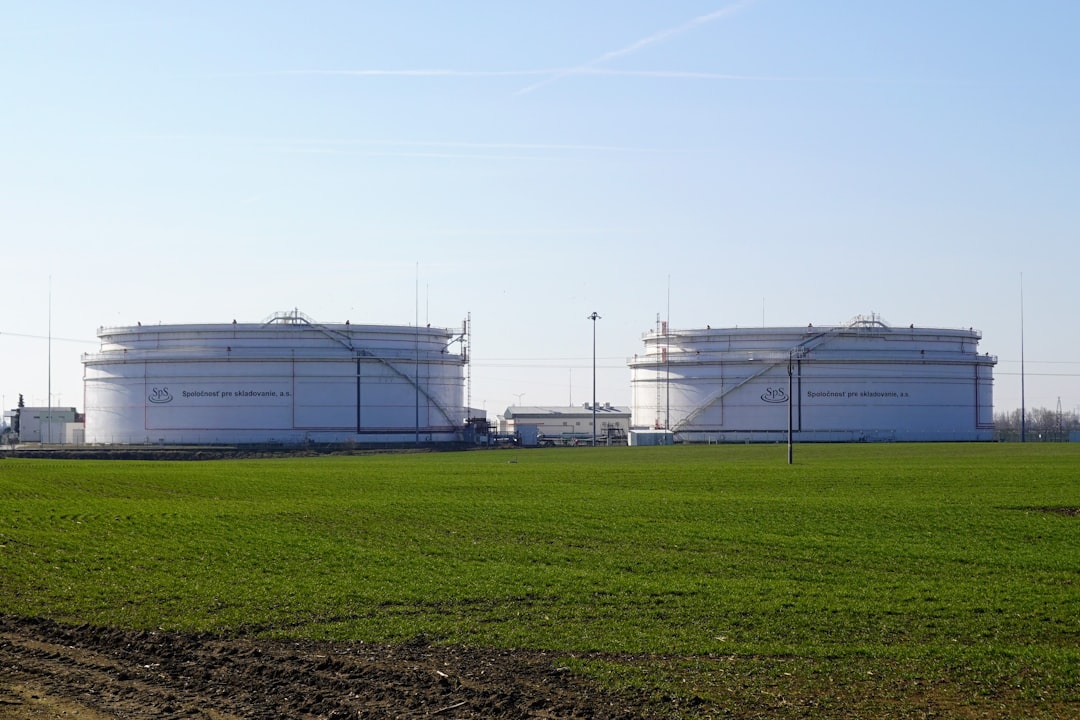
S-Oil stands out as one of the most strategically positioned refining companies in Asia. With Saudi Aramco’s deep-pocketed support, a world-class refinery complex, and a transformational petrochemical project on the horizon, the company offers international investors a differentiated entry point into the Korean energy sector. Whether you’re seeking exposure to Asian refining margins, petrochemical growth, or the broader Saudi