Introduction: A Major Player in Asia’s Chemical Industry
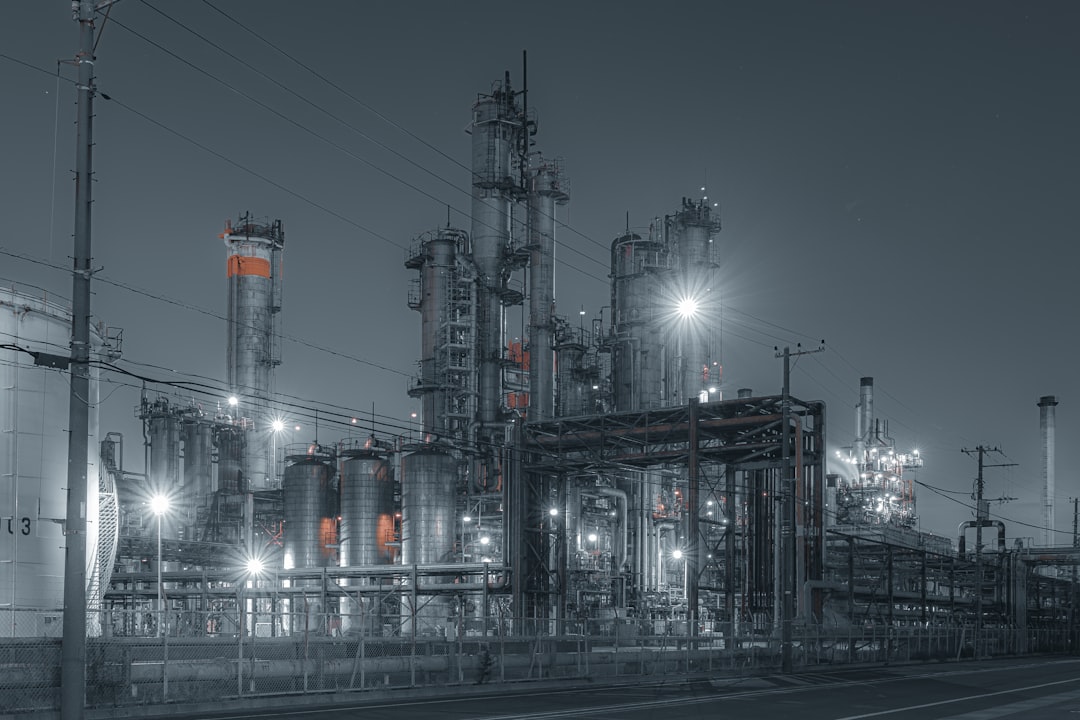
South Korea’s petrochemical sector has long been one of the pillars of the nation’s export-driven economy, and few companies embody that legacy more than Lotte Chemical (롯데케미칼, 011170.KS). As the flagship chemical arm of the sprawling Lotte Group conglomerate, Lotte Chemical stands as one of the largest petrochemical producers in Asia, manufacturing a wide range of products—from basic olefins and aromatics to advanced materials used in packaging, automotive, and construction industries worldwide.
For international investors seeking exposure to the Korean industrial sector, Lotte Chemical presents an intriguing case study: a company with significant scale, global ambitions, and deep integration into supply chains across Asia, yet one that faces cyclical headwinds and structural challenges common to the commodity chemicals business. In this post, we’ll break down the company’s core operations, assess its recent financial trajectory, and explore the key factors that should be on every global investor’s radar.
Business Overview: Scale, Diversification, and Global Reach
Lotte Chemical is the result of decades of strategic growth and consolidation within the Lotte Group, one of South Korea’s five largest conglomerates (chaebol). The company was originally established in 1976 as Honam Petrochemical and rebranded under the Lotte Chemical name in 2014 as part of a broader group restructuring effort. Today, it is listed on the Korea Exchange (KRX) under the ticker 011170.KS and carries a market capitalization that has historically placed it among the top chemical companies in the Asia-Pacific region.
The company’s product portfolio spans several critical segments:
- Basic Chemicals (Olefins & Aromatics): Lotte Chemical operates large-scale naphtha crackers that produce ethylene, propylene, butadiene, benzene, toluene, and other foundational chemical building blocks. These products feed into virtually every downstream manufacturing sector.
- Advanced Materials: The company has been investing heavily in high-value materials, including engineering plastics, carbon fibers, and battery materials. This segment represents Lotte Chemical’s strategic bet on the future, particularly as the electric vehicle (EV) and renewable energy industries expand.
- Monomers & Polymers: Products like polyethylene (PE), polypropylene (PP), ethylene glycol (EG), and PET resins form a critical part of the portfolio, serving packaging, textiles, and consumer goods manufacturers globally.
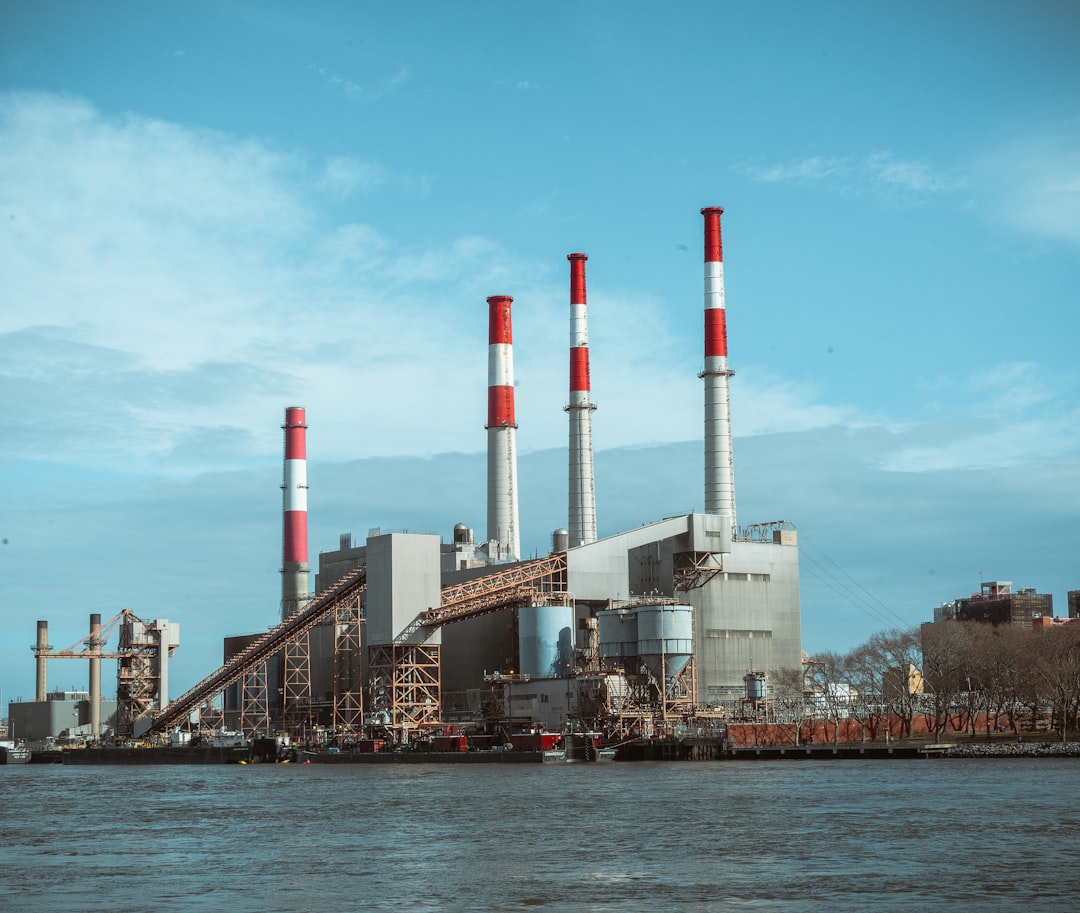
Geographically, Lotte Chemical’s footprint extends well beyond the Korean Peninsula. The company operates major production facilities in South Korea (Yeosu and Daesan), as well as overseas assets in Malaysia, Indonesia, Uzbekistan, the United States, and Pakistan. Its Malaysian subsidiary, Lotte Chemical Titan, is listed on Bursa Malaysia and serves as a key hub for Southeast Asian markets. This international diversification provides a degree of resilience against any single-market downturn, though it also exposes the company to a complex web of regional regulatory and currency risks.
Recent Performance: Navigating the Petrochemical Downcycle
Lotte Chemical, like many of its global peers, has been navigating an extended and painful downcycle in the petrochemical industry. After posting strong earnings during the pandemic-era demand surge of 2020–2021—when supply disruptions and a boom in packaging consumption lifted margins across the sector—the company has faced significant margin compression since 2022.
Several factors have converged to pressure profitability:
- Massive capacity additions in China: China’s rapid buildout of domestic petrochemical capacity, particularly in refinery-integrated complexes, has flooded regional markets with supply, driving down prices for key products like ethylene, polyethylene, and MEG (monoethylene glycol).
- Elevated feedstock costs: As a naphtha-based producer, Lotte Chemical is structurally disadvantaged compared to Middle Eastern and North American competitors that benefit from cheaper ethane and natural gas feedstocks. When oil prices remain elevated but product prices fall, the margin squeeze intensifies.
- Weak demand recovery: Post-COVID global economic uncertainty, sluggish construction activity in China, and tepid consumer spending in key markets have all contributed to demand that has failed to absorb the wave of new supply.
The financial results have reflected these challenges starkly. Lotte Chemical reported operating losses through much of 2023 and into 2024, a dramatic reversal from the strong profitability seen just two years earlier. The company’s stock price has declined substantially from its cycle highs, and its price-to-book ratio has fallen to levels that some value-oriented investors find compelling—though others see as a reflection of justified fundamental concern.
In response, management has undertaken cost-cutting initiatives, delayed or restructured certain capital expenditure plans, and accelerated the pivot toward higher-margin specialty and advanced materials. The company has also explored strategic options for underperforming overseas assets, signaling a willingness to rationalize its portfolio in pursuit of long-term value creation.
Why International Investors Should Pay Attention
Despite the near-term challenges, there are several reasons why Lotte Chemical deserves a place on the watchlist of global investors looking at Korean equities:
- Cyclical recovery potential: Petrochemicals are inherently cyclical. History shows that the deepest downturns often precede significant recoveries as marginal capacity is shuttered, supply discipline improves, and demand eventually catches up. Investors with a longer time horizon may find current valuations attractive as a contrarian bet on the next upcycle.
- Strategic pivot to advanced materials: Lotte Chemical’s investments in battery materials, carbon fiber composites, and engineering plastics position it to capture growth from secular megatrends like electrification, lightweight automotive design, and sustainable packaging. If execution is successful, this higher-value product mix could structurally improve margins over time.
- Conglomerate backing and balance sheet: As a core subsidiary of the Lotte Group, the company benefits from group-level financial support, shared infrastructure, and cross-selling opportunities. While chaebol structures can raise governance concerns, they also provide a financial backstop during cyclical troughs that standalone companies may lack.
- Korea Discount and shareholder value reforms: South Korean equities have historically traded at a discount to global peers, partly due to governance and shareholder return concerns. However, the Korean government’s ongoing “Corporate Value-Up Program” is encouraging listed companies to improve shareholder returns through higher dividends and buybacks. If Lotte Chemical embraces these reforms, it could serve as a catalyst for re-rating.
- Valuation: With the stock trading at historically depressed multiples—well below book value in recent periods—the downside risk may be more limited than it appears for patient investors, particularly if the cycle begins to turn and management delivers on its restructuring promises.
That said, risks are very real. Persistent oversupply from China, a prolonged global economic slowdown, rising energy costs, and execution risk on the advanced materials strategy could all weigh on the stock for an extended period. Currency fluctuations—particularly movements in the Korean won against the US dollar—also add a layer of complexity for international holders.
Conclusion: A Cyclical Bet with Strategic Upside
Lotte Chemical sits at a crossroads. On one hand, it is a legacy petrochemical producer battling a brutal industry downcycle driven by Chinese overcapacity and unfavorable feedstock economics. On the other hand, it is a company actively transforming its portfolio toward higher-growth, higher-margin segments while trading at valuations that price in a great deal of pessimism.
For international investors, the stock offers a window into one of Asia’s most important industrial supply chains and a potential opportunity to participate in a cyclical recovery—if and when it