Introduction: A Household Name in Korea and Beyond
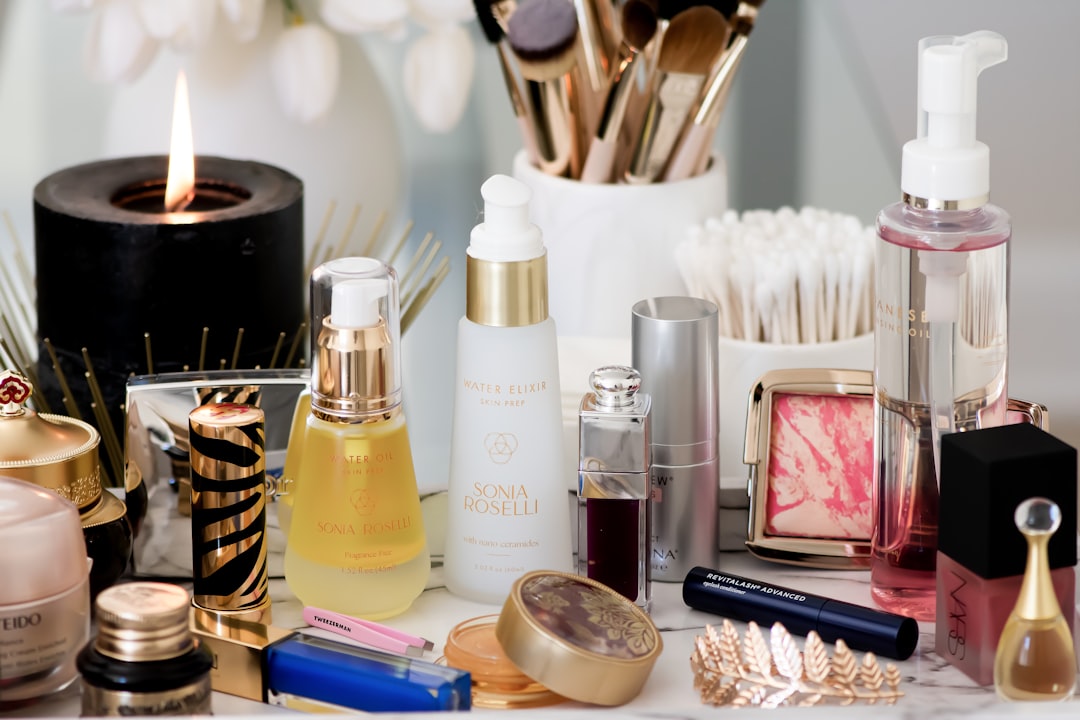
When international investors think of South Korean stocks, names like Samsung, Hyundai, and SK Hynix often dominate the conversation. But beyond semiconductors and automobiles, South Korea is home to one of Asia’s most formidable consumer goods empires — LG H&H (LG생활건강, 051900.KS). Listed on the Korea Exchange under ticker 051900, LG H&H is the largest beauty and household products company in South Korea, with a diversified portfolio spanning premium cosmetics, personal care, and beverages.
For global investors looking to gain exposure to the resilient Asian consumer market — and particularly the ever-expanding K-beauty phenomenon — LG H&H represents a compelling, if complex, opportunity. This post breaks down the company’s business model, examines its recent financial trajectory, and explores why it deserves a spot on every international investor’s watchlist.
Business Overview: Three Pillars of Consumer Dominance
LG H&H operates through three core business divisions, each contributing to a well-balanced revenue stream that insulates the company from sector-specific downturns.
1. Beauty (Cosmetics)
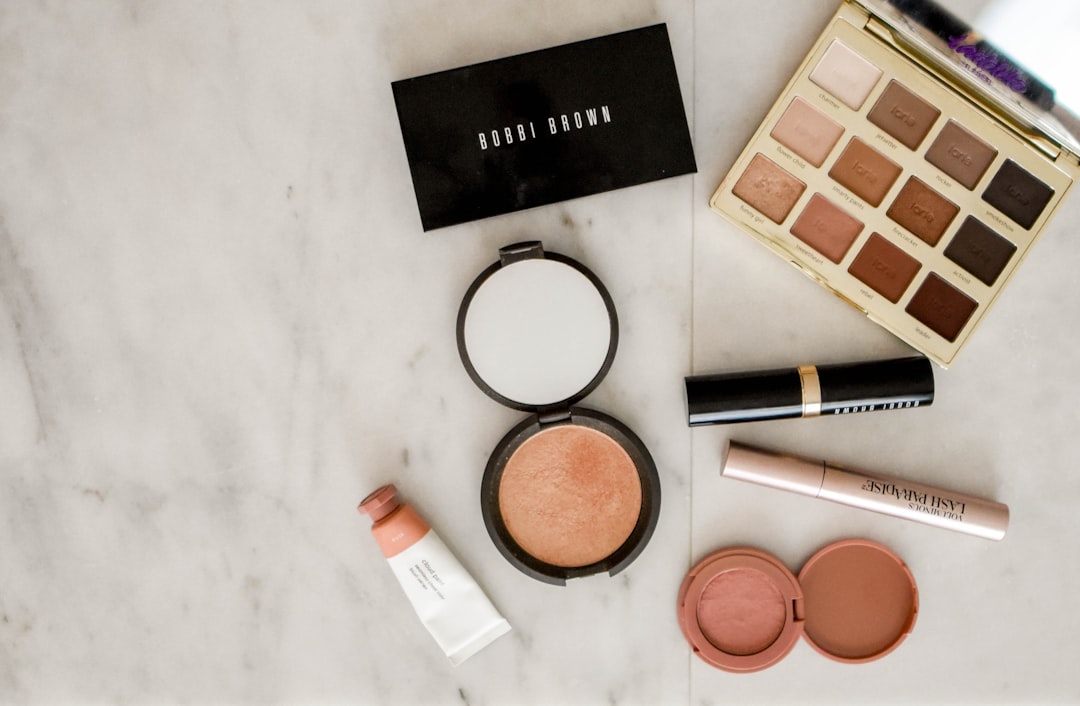
The beauty division is the crown jewel of LG H&H’s portfolio and has historically been the company’s largest revenue and profit driver. The company owns a stable of prestigious Korean beauty brands, including:
- The History of Whoo (후) — A luxury skincare line inspired by traditional Korean royal court beauty rituals. This brand alone has generated billions of dollars in cumulative revenue and is particularly popular among Chinese consumers.
- Su:m37° — A premium brand built around naturally fermented ingredients, appealing to the clean beauty movement.
- O HUI — Another prestige skincare line targeting affluent consumers across Asia.
- belif, VDL, and Beyond — Mid-tier and masstige brands that capture a broader demographic.
The beauty division has given LG H&H a front-row seat in the global K-beauty wave, which continues to influence skincare trends from Seoul to New York to Paris. The company’s strength in luxury positioning differentiates it from competitors focused on mass-market products.
2. Home Care & Daily Beauty (HDB)
This division encompasses everyday household and personal care products — think laundry detergents, toothpaste, shampoo, and body care items. Key brands include Perioe (oral care), Elastine (hair care), and Tech (laundry products). While less glamorous than the cosmetics segment, HDB provides steady, recession-resistant cash flows. These are staple goods that Korean households purchase regardless of economic cycles, giving LG H&H a defensive quality that many pure-play beauty companies lack.
3. Refreshment (Beverages)
Perhaps surprisingly for a beauty company, LG H&H is also a major player in the Korean beverage market. Through its subsidiary Coca-Cola Beverage Company, LG H&H is the exclusive bottler and distributor of Coca-Cola products in South Korea. It also owns popular local brands such as Baltika and various mineral water and tea lines. This division adds another layer of diversification and generates reliable revenue tied to domestic consumption patterns.
Recent Performance: Navigating Headwinds
It would be disingenuous to present LG H&H without acknowledging the significant challenges the company has faced in recent years. After reaching an all-time high share price in 2021, the stock has experienced a substantial correction, driven by several converging factors.
The China Factor
LG H&H’s luxury beauty division was heavily reliant on Chinese consumers — both through direct sales in mainland China and through the lucrative Korean duty-free channel, where Chinese tourists (known as “daigou” resellers) were once the dominant buyers. The COVID-19 pandemic, followed by geopolitical tensions, shifting Chinese consumer preferences toward domestic C-beauty brands, and a broader economic slowdown in China, dealt a significant blow to this revenue stream. The History of Whoo, once a seemingly unstoppable growth engine, saw notable sales declines as Chinese demand softened.
Financial Snapshot
LG H&H’s revenue and operating profit have declined from their 2021 peaks. The company reported consolidated revenue of approximately KRW 6.8 trillion in 2023, down from its highs above KRW 8 trillion. Operating margins in the beauty segment, once comfortably in the double digits, have compressed as the company has invested in brand revitalization and channel diversification. The HDB and beverage divisions have remained relatively stable, partially offsetting the beauty segment’s weakness, but they carry lower margins and cannot fully compensate for the cosmetics downturn.
Restructuring and Strategic Pivot
Management has not been idle in the face of these challenges. LG H&H has undertaken several strategic initiatives to reposition the company for long-term growth:
- Channel diversification: The company is aggressively expanding its online and direct-to-consumer presence, reducing dependence on duty-free and traditional retail channels.
- Geographic diversification: LG H&H is increasing its focus on markets beyond China, including Japan, Southeast Asia, North America, and Europe.
- Brand portfolio optimization: The company is streamlining underperforming brands while investing in hero products and new launches designed to resonate with younger, global consumers.
- Innovation in ingredients and sustainability: Aligning with global beauty trends, LG H&H is investing in sustainable packaging, clean formulations, and biotechnology-driven skincare innovation.
Why International Investors Should Pay Attention
Despite the headwinds, there are several reasons why LG H&H merits serious consideration from international investors with a medium- to long-term horizon.
Valuation Reset
The significant share price decline from 2021 highs means that investors today can access a portfolio of premium consumer brands at a fraction of the valuation commanded just a few years ago. For value-oriented investors, this kind of reset in a high-quality company can represent a rare opportunity — provided the fundamental thesis for recovery holds.
Structural Tailwinds in K-Beauty
The global K-beauty market continues to grow, driven by increasing awareness and adoption of Korean skincare routines worldwide. South Korea’s cultural soft power — amplified by K-pop, K-drama, and social media — serves as a perpetual marketing engine for Korean beauty brands. LG H&H, as the largest domestic player, is well-positioned to capture this ongoing trend, especially as it ramps up its international distribution.
Defensive Diversification
Unlike pure-play cosmetics companies that are entirely at the mercy of discretionary spending cycles, LG H&H’s household products and beverage divisions provide a meaningful buffer. The Coca-Cola bottling business alone represents a steady, cash-generative asset with limited downside risk.
Strong Corporate Governance and Parentage
As a subsidiary of the LG Corporation conglomerate, LG H&H benefits from the group’s reputation for relatively strong corporate governance by Korean chaebol standards, robust R&D capabilities, and deep financial resources. This institutional backing provides confidence that the company can weather cyclical downturns and fund its transformation strategy.
Conclusion: A Turnaround Story Worth Watching
LG H&H stands at a critical inflection point. The company’s glory days of explosive China-driven growth may be behind it, but the underlying brand equity, diversified business model, and strategic pivot toward global markets suggest that this is far from a company in terminal decline. For international investors with patience and conviction, LG H&H offers a differentiated way to invest in the intersection of Asian consumer growth, the global beauty industry, and Korea’s