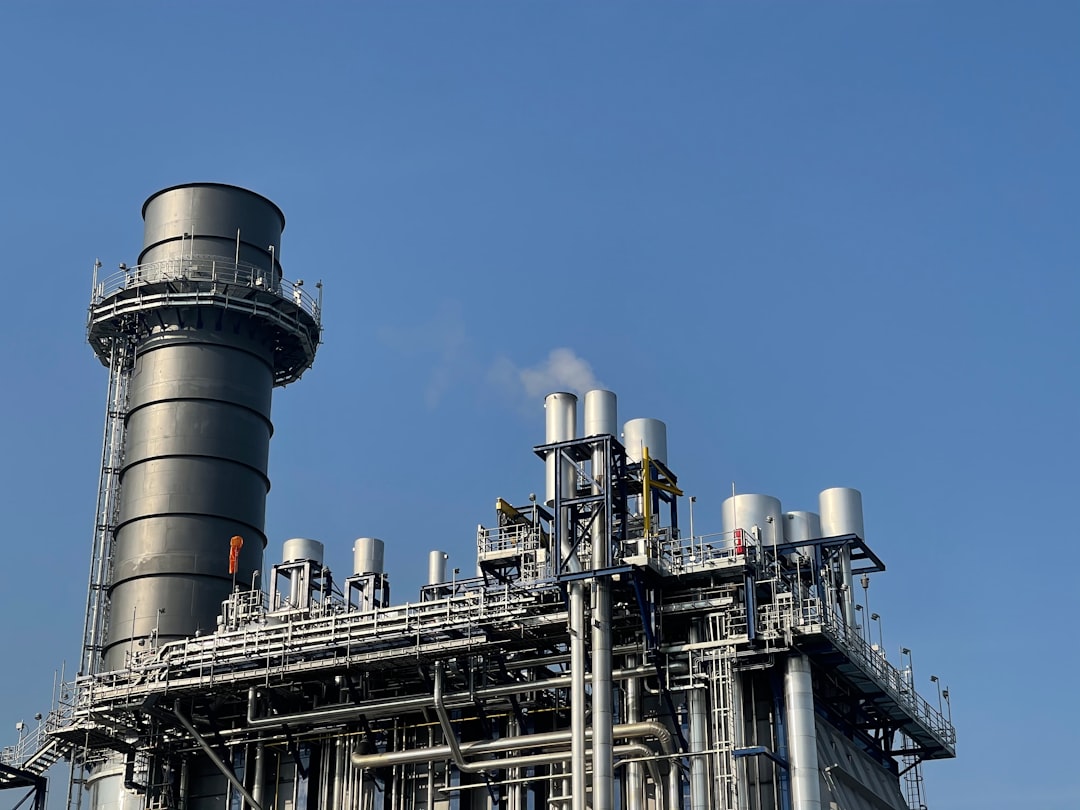
Introduction: A Hidden Champion in the Global Petrochemical Landscape
When international investors think of South Korean industrial powerhouses, names like Samsung, Hyundai, and LG typically dominate the conversation. But beneath the surface of these mega-cap conglomerates lies a rich ecosystem of specialized companies that command significant global market share in their respective niches. One such company is Kumho Petrochemical (금호석유, 011780.KS) — the world’s largest producer of synthetic rubber and a critical supplier to the global tire and automotive industries.
Founded in 1970 as part of the Kumho Asiana Group, Kumho Petrochemical has quietly grown into a dominant force in the petrochemical sector, with products that touch nearly every vehicle on the road today. For international investors seeking exposure to essential materials, cyclical recovery plays, or under-the-radar Korean equities, this company deserves a closer look.
Business Overview: What Does Kumho Petrochemical Actually Do?
Kumho Petrochemical operates across several core business segments, but its identity is fundamentally tied to synthetic rubber — specifically, solution-polymerized styrene-butadiene rubber (S-SBR) and butadiene rubber (BR). These materials are essential inputs for high-performance tires, and the company holds the distinction of being the single largest synthetic rubber manufacturer in the world by capacity.
- Synthetic Rubber: The flagship business segment. Kumho Petrochemical supplies major global tire manufacturers including Michelin, Bridgestone, Continental, and Hankook. Its S-SBR products are particularly important for fuel-efficient and electric vehicle (EV) tires, which require low rolling resistance — a growing demand driver as the global automotive industry electrifies.
- Synthetic Resins: The company produces ABS (acrylonitrile butadiene styrene), PS (polystyrene), and EPS (expandable polystyrene), which are used in electronics, home appliances, packaging, and construction materials. This segment provides important diversification beyond the rubber business.
- Energy and Chemicals: Kumho Petrochemical also operates in the phenol, acetone, and BPA (bisphenol A) value chain. These chemicals are upstream materials for polycarbonate resins and epoxy resins used across multiple industrial applications.
- New Growth Areas: In recent years, the company has been expanding into carbon nanotubes (CNTs) — a high-value advanced material used in lithium-ion battery production. This positions Kumho Petrochemical as a potential beneficiary of the explosive growth in EV battery manufacturing, particularly given South Korea’s central role in the global battery supply chain through companies like LG Energy Solution and Samsung SDI.
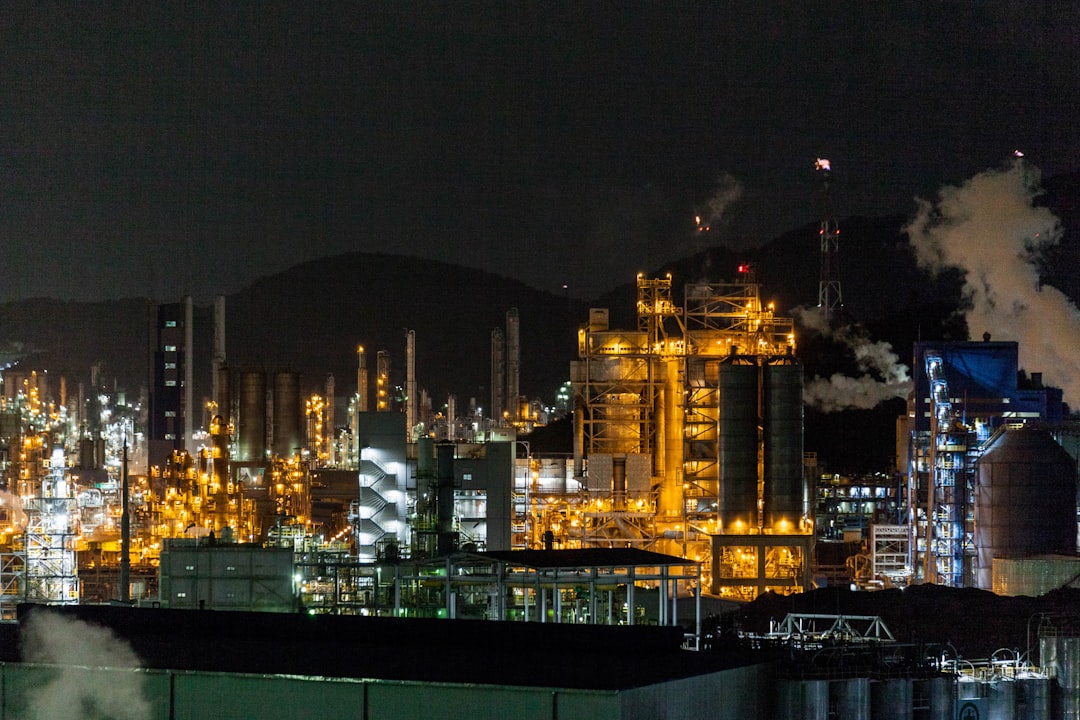
The company’s production facilities are primarily located in Yeosu, South Korea, one of the country’s largest petrochemical industrial complexes. It also has overseas subsidiaries and sales operations spanning China, Southeast Asia, Europe, and the Americas, giving it a truly global commercial footprint.
Recent Performance and Financial Health
Like most petrochemical companies globally, Kumho Petrochemical has experienced significant cyclicality over the past several years. The company enjoyed exceptional profitability in 2021, when pandemic-era supply chain disruptions and surging demand pushed synthetic rubber and chemical spreads to historic highs. Operating profit that year exceeded KRW 1.5 trillion, a remarkable figure for a company of its size.
However, 2022 and 2023 told a different story. A confluence of factors — weakening global demand, overcapacity in China’s petrochemical sector, rising energy costs, and inventory destocking across the tire and automotive supply chains — compressed margins significantly. Operating profits fell sharply, and the stock price retreated from its peaks accordingly.
Heading into 2024 and beyond, several indicators suggest a potential cyclical recovery. Global tire demand has shown resilience, driven by replacement tire markets and the growing EV fleet, which tends to wear through tires faster due to heavier vehicle weights and higher torque. S-SBR demand specifically is forecast to grow at above-average rates as automakers and tire manufacturers prioritize fuel efficiency and EV compatibility.
From a balance sheet perspective, Kumho Petrochemical maintains a manageable debt profile relative to its asset base, and the company has historically been a consistent dividend payer — an attractive feature for income-oriented investors. The company’s price-to-book ratio has at times traded well below 1.0 during cyclical troughs, which value investors may find compelling given the quality of the underlying asset base.
Why International Investors Should Pay Attention
There are several compelling reasons why Kumho Petrochemical merits consideration as part of a diversified international portfolio:
- Global Market Leadership: Being the world’s number one synthetic rubber producer is not a trivial distinction. This scale advantage translates into cost efficiencies, pricing power with customers, and the ability to invest in next-generation products like advanced S-SBR grades for EV tires.
- EV Megatrend Exposure: The company sits at a unique intersection of two powerful trends — the electrification of transportation and the growing demand for advanced materials. Its S-SBR business benefits directly from EV tire demand, while its carbon nanotube operations provide exposure to the EV battery supply chain. Few companies offer this dual exposure within a single investment.
- Cyclical Recovery Potential: Petrochemical stocks are inherently cyclical, and the sector has been through a prolonged downturn. For investors with a medium-term horizon, buying quality cyclical names near trough valuations has historically been a rewarding strategy. Kumho Petrochemical’s leadership position means it is likely to be among the first and biggest beneficiaries when the cycle turns.
- Valuation Discount: Korean equities in general trade at a persistent discount to global peers — the so-called “Korea Discount” attributed to governance concerns, geopolitical risk, and conglomerate complexity. However, the Korean government has recently undertaken corporate governance reform initiatives (the “Corporate Value-Up Program”) designed to encourage companies to improve shareholder returns and close valuation gaps. Kumho Petrochemical could benefit from this broader market re-rating.
- Strategic Importance: Synthetic rubber is not easily substitutable, and the barriers to entry in this industry are high. Building world-scale synthetic rubber plants requires billions of dollars in capital and years of technical know-how. This creates a durable competitive moat around Kumho Petrochemical’s core business.
Of course, risks remain. Prolonged weakness in the Chinese economy — a major demand driver for petrochemicals — could delay the cyclical recovery. Feedstock price volatility (particularly butadiene prices) can swing margins unpredictably. And any escalation of geopolitical tensions on the Korean Peninsula could weigh on investor sentiment toward all Korean equities.
Conclusion: A Specialty Chemicals Leader Worth Watching
Kumho Petrochemical represents the kind of opportunity that patient international investors often seek — a global market leader in an essential industry, trading at cyclically depressed valuations, with meaningful exposure to secular growth themes like electric vehicles and advanced materials. While the petrochemical cycle demands patience and a tolerance for volatility, the company’s dominant position in synthetic rubber, its expanding carbon nanotube business, and the potential for a broader re-rating of Korean equities make it a name worth adding to your watchlist.
For those willing to look beyond the obvious Korean mega-caps, Kumho Petrochemical offers a differentiated way to invest in the materials that will literally keep the world’s vehicles — both conventional and electric — moving forward.
Disclaimer: This blog post is for informational and educational purposes only and does not constitute financial advice, investment recommendations, or an endorsement to buy or sell any securities. Investors should conduct their own due diligence and consult with a qualified financial advisor before making any investment decisions. Past performance is not indicative of future results, and investing in foreign equities involves additional risks including currency fluct