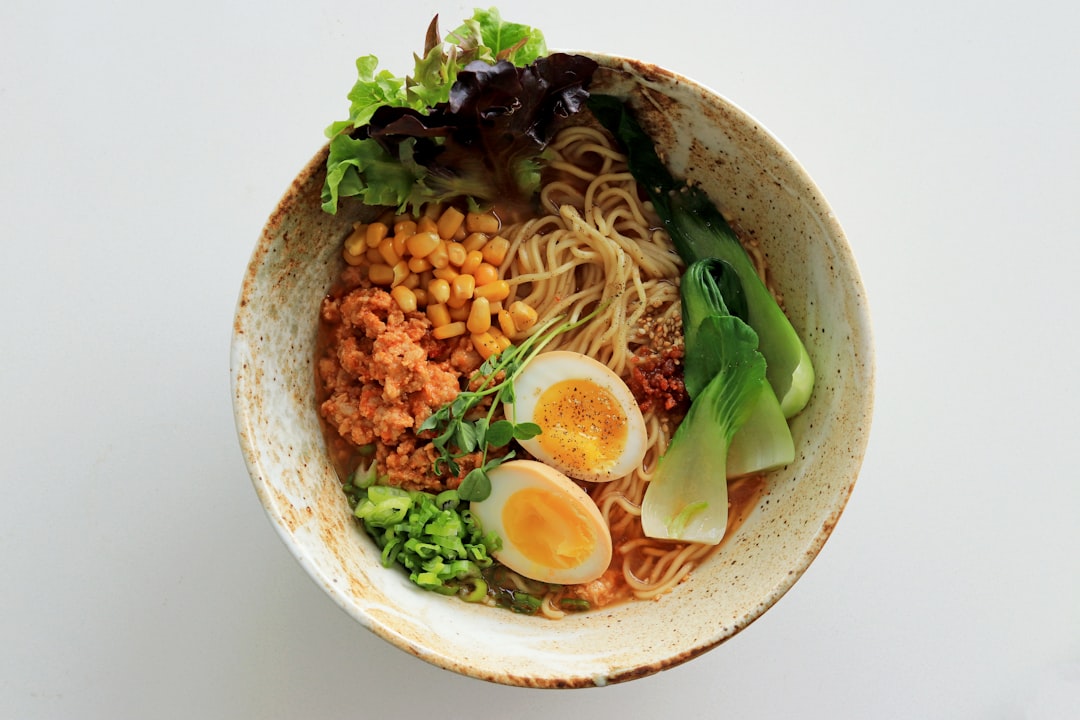
Introduction: More Than Just Ramen
If you’ve ever wandered the international aisle of a grocery store or scrolled through a K-drama scene featuring characters slurping steaming bowls of ramyeon, chances are you’ve already encountered the products of Nongshim (농심, 004370.KS). Founded in 1965, this South Korean food conglomerate is the undisputed king of instant noodles in Korea and an increasingly formidable player on the global stage. For international investors looking to tap into the booming K-food trend, Nongshim represents a compelling intersection of cultural momentum, brand power, and steady consumer staples fundamentals.
With its flagship product Shin Ramyun — a spicy, beefy noodle soup beloved by millions — Nongshim has built a brand that transcends borders. But this company is far more than a one-product story. From snack foods to bottled water, and from its dominant position in South Korea to its expanding footprint in the United States, China, and beyond, Nongshim offers international investors a unique window into one of the most dynamic segments of Asian consumer goods.
Business Overview: A Diversified Korean Food Powerhouse
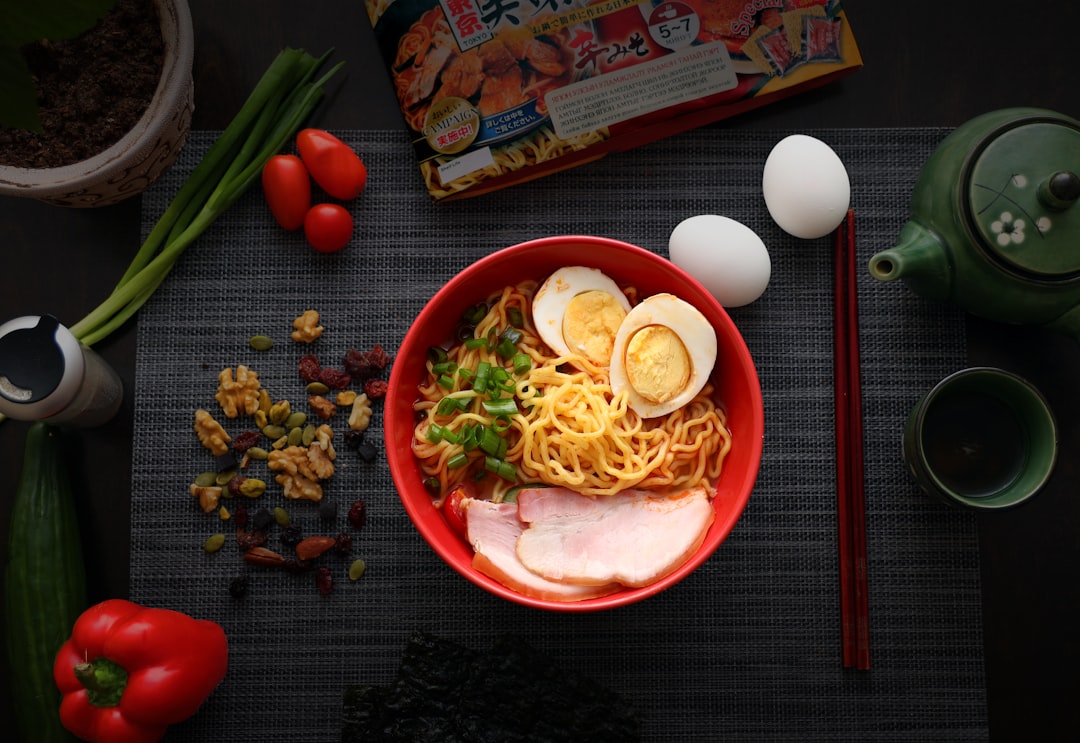
Nongshim operates primarily in two segments: noodles and snacks. The noodle division, which accounts for the majority of revenue, produces an extensive lineup of instant noodles, cup noodles, and premium ramyeon products. Shin Ramyun alone has sold over 40 billion units worldwide since its launch in 1986, making it one of the best-selling instant noodle products on the planet. The company also produces popular items like Chapagetti (a black bean noodle), Neoguri (a seafood-flavored udon-style noodle), and Ansungtangmyun, all of which are household names across Korea.
Beyond noodles, Nongshim has a significant presence in the snack market with products like Shrimp Crackers (새우깡), Onion Rings, and Banana Kick, which together command strong brand loyalty among Korean consumers. Additionally, the company operates Nongshim Baeksan Bottled Water (백산수), sourced from Baekdu Mountain, which has become one of the leading premium water brands in South Korea.
What sets Nongshim apart from many local competitors is its genuine international infrastructure. The company operates manufacturing facilities not only in South Korea but also in the United States (Los Angeles) and China (Shanghai and Shenyang). This gives Nongshim a localized production advantage in two of the world’s largest consumer markets, reducing logistics costs and enabling faster responses to regional demand.
- Domestic market share: Nongshim commands approximately 55-60% of South Korea’s instant noodle market, making it the dominant player by a wide margin.
- Global presence: Products are exported to over 100 countries, with particularly strong traction in the U.S., China, Japan, Southeast Asia, and increasingly in Europe.
- Revenue mix: International sales have been steadily growing as a proportion of total revenue, now accounting for roughly 35-40% of the company’s top line.
Recent Performance and the K-Food Tailwind
Nongshim has delivered solid financial performance in recent years, buoyed by several powerful tailwinds. In 2023, the company reported consolidated revenue of approximately KRW 3.4 trillion (around USD 2.6 billion), representing steady year-over-year growth. Operating profits have also improved as the company has successfully implemented price adjustments to offset rising raw material costs — including wheat flour, palm oil, and packaging materials — that have pressured the entire food industry globally.
The U.S. market has been a particular standout. Nongshim’s American subsidiary has posted double-digit revenue growth in consecutive years, driven by the mainstream adoption of Korean food culture. Shin Ramyun is no longer a niche ethnic product in the U.S. — it’s stocked in Walmart, Costco, Target, and virtually every major grocery chain. The “Parasite effect” — referring to the 2020 Academy Award-winning film that famously featured Chapaguri (a combination of Chapagetti and Neoguri) — gave Nongshim an enormous cultural marketing boost that continues to pay dividends.
More broadly, the global K-food wave shows no signs of slowing down. The international popularity of Korean cuisine has been amplified by K-dramas, K-pop, and social media platforms like TikTok, where Korean cooking videos regularly go viral. According to the Korea Food Industry Association, South Korean food exports have grown at a compound annual rate exceeding 10% over the past five years, and instant noodles are one of the largest categories within that growth. Nongshim, as the category leader, is arguably the single biggest beneficiary of this secular trend.
In China, the picture has been more mixed. While Nongshim maintains a loyal following, the Chinese instant noodle market is fiercely competitive with local giants like Master Kong and Uni-President commanding massive market share. However, Nongshim has carved out a profitable premium niche, positioning its products above domestic competitors on both price and perceived quality. The company’s strategy in China has shifted toward profitability over volume, a move that has improved margins in the region.
Why International Investors Should Pay Attention
There are several compelling reasons why Nongshim deserves a closer look from global investors seeking exposure to Asian consumer staples.
1. Resilient, defensive business model: Instant noodles are a classic consumer staple — affordable, shelf-stable, and in demand regardless of economic conditions. In fact, during recessions and periods of inflation, instant noodle consumption tends to increase as consumers trade down from more expensive meal options. This gives Nongshim a defensive quality that is attractive during uncertain macroeconomic environments.
2. Structural growth in international markets: Unlike many Korean mid-cap companies that remain heavily dependent on the domestic market, Nongshim has a genuine and accelerating international growth story. The U.S. operation, in particular, is approaching a scale where it could become a meaningful profit center in its own right. As Korean food culture continues its global ascent, Nongshim is positioned to capture disproportionate value.
3. Reasonable valuation: Compared to global consumer staples peers like Nissin Foods (Japan) or even Western packaged food companies, Nongshim has historically traded at a relatively modest price-to-earnings multiple. While Korean stocks in general tend to trade at a discount — the so-called “Korea Discount” driven by corporate governance concerns, geopolitical risk, and complex conglomerate structures — Nongshim’s straightforward business model and improving shareholder return policies make it a more accessible entry point for foreign investors.
4. Cultural moat: Perhaps the most underappreciated aspect of Nongshim’s investment case is its cultural moat. Shin Ramyun is not just a product; it’s an icon of Korean culture that has been embedded in movies, TV shows, music, and social media. This kind of brand equity is extraordinarily difficult to replicate and provides Nongshim with pricing power and consumer loyalty that goes well beyond typical food brands.
5. Innovation and premiumization: Nongshim continues to innovate with new product lines targeting health-conscious consumers, including low-sodium options, plant-based noodles, and premium restaurant-quality kits. The company’s “Shin Ramyun Black” — a premium version of its flagship product — has been particularly successful in driving higher average selling prices both domestically and internationally.
Conclusion
Nongshim sits at a rare intersection for investors: a mature, cash-generative domestic business with a proven brand, combined with a genuinely exciting international growth trajectory powered by one of the strongest cultural tailwinds in the global food industry. The worldwide embrace of Korean culture — from BTS to “Squid Game” to the burgeoning love affair with Korean cuisine