When it comes to South Korean equities, no company commands more attention—or market capitalization—than Samsung Electronics (삼성전자, 005930.KS). As the flagship entity of the Samsung Group conglomerate and one of the most valuable companies in Asia, Samsung Electronics sits at the intersection of several critical global industries: semiconductors, consumer electronics, and mobile technology. For international investors seeking exposure to the Asian tech sector, understanding Samsung Electronics is not just useful—it’s essential.
Business Overview: More Than Just Smartphones
While Samsung Electronics is perhaps best known globally for its Galaxy line of smartphones and consumer electronics, the company’s true economic engine is far more diversified—and far more strategically important—than most casual observers realize.
Samsung Electronics operates through three principal business divisions:
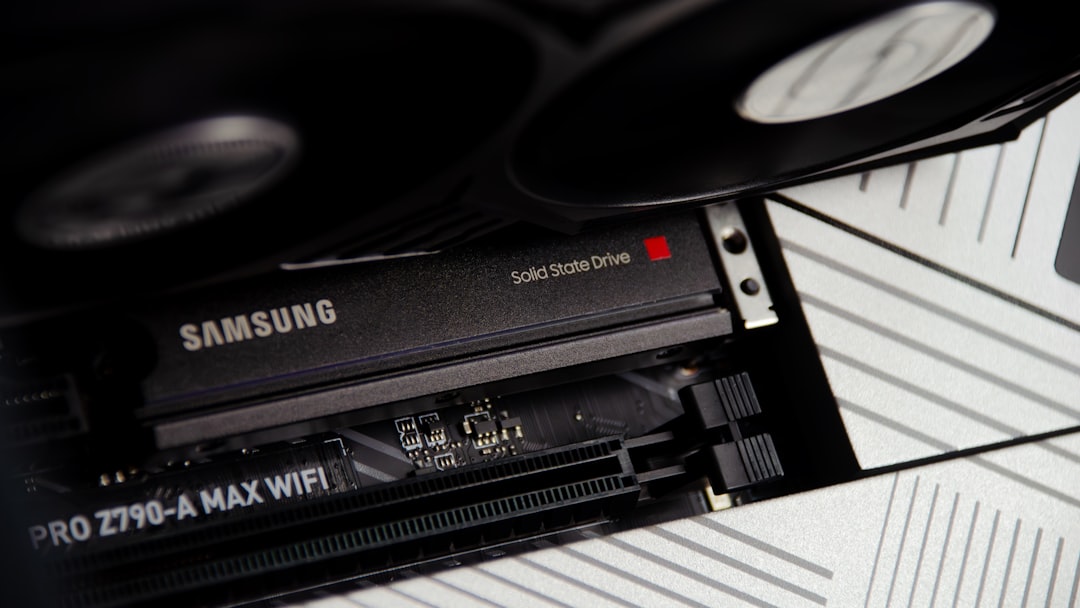
- Device Solutions (DS): This is the semiconductor and display panel arm, encompassing memory chips (DRAM and NAND flash), logic chips, and foundry services. The DS division is the company’s largest revenue and profit driver, and Samsung is the world’s leading manufacturer of memory semiconductors.
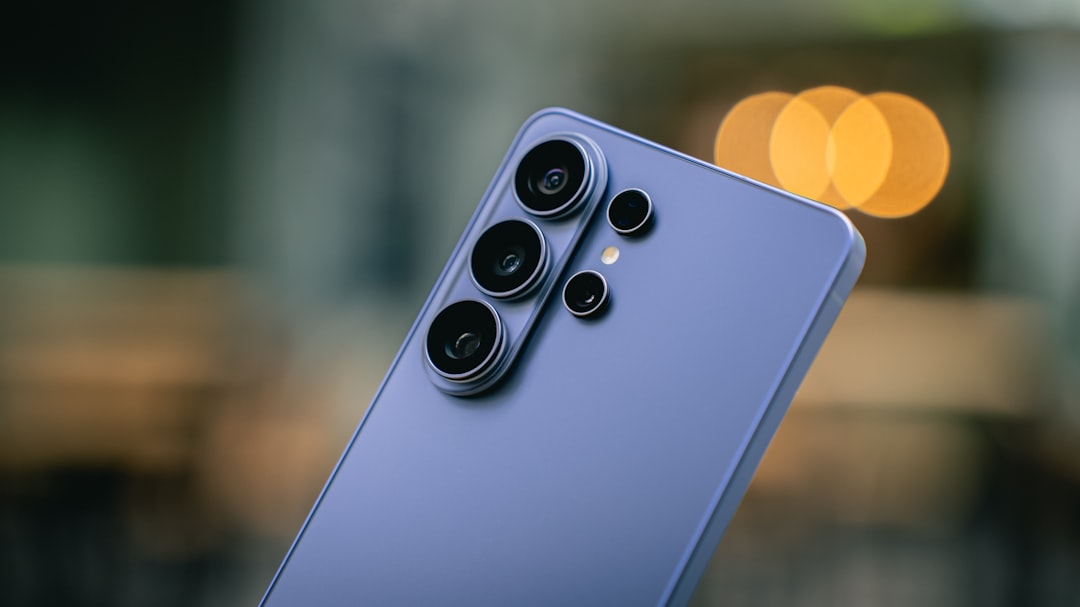
- Device eXperience (DX): This division covers consumer electronics, including smartphones, tablets, PCs, televisions, home appliances, and wearables. Samsung consistently ranks among the top global smartphone vendors by market share.
- Harman International: Acquired in 2017, Harman adds connected car technology, audio systems, and enterprise solutions to Samsung’s portfolio, positioning the company in the growing automotive technology space.
This diversification is a key strength. While many tech companies depend on a single product category, Samsung Electronics benefits from a broad revenue base that spans B2B semiconductor supply, consumer hardware, and increasingly, enterprise and automotive technology. Its vertical integration—manufacturing everything from the chips inside devices to the screens and the devices themselves—gives it a competitive moat that few rivals can match.
Recent Performance and the Semiconductor Cycle
Samsung Electronics’ financial performance is closely tied to the global semiconductor cycle, and the past two years have been a dramatic illustration of this dynamic. In 2023, the company experienced a sharp downturn in operating profits as memory chip prices collapsed amid a post-pandemic inventory glut. The DS division swung to significant losses, dragging overall results despite resilient performance in the mobile and consumer electronics segments.
However, 2024 marked a decisive turning point. As demand for high-bandwidth memory (HBM) chips surged—driven by the explosive growth of artificial intelligence infrastructure—memory prices rebounded strongly. Samsung Electronics reported a sharp recovery in operating profits, with the semiconductor division returning to profitability and driving the bulk of earnings growth. The company’s full-year 2024 revenue exceeded 300 trillion Korean won, reflecting renewed strength across its core businesses.
That said, Samsung Electronics has faced some notable challenges. In the HBM segment specifically, the company has trailed rival SK hynix in securing supply agreements with Nvidia, the dominant buyer of AI-grade memory chips. Samsung’s HBM3E products faced reported qualification delays, raising concerns about whether the company could capture its fair share of the AI-driven memory boom. Management has publicly acknowledged these issues and committed significant resources to closing the gap, but this competitive dynamic remains a key area of focus for investors heading into 2025.
On the foundry side, Samsung Electronics continues to invest heavily in advanced chip manufacturing to compete with Taiwan Semiconductor Manufacturing Company (TSMC). The company is ramping its Gate-All-Around (GAA) transistor technology and expanding fabrication capacity both domestically and internationally, including a major facility in Taylor, Texas. While TSMC remains the clear leader in cutting-edge logic chip production, Samsung’s foundry ambitions represent a significant long-term growth opportunity—albeit one that requires patience and continued heavy capital expenditure.
Why International Investors Should Pay Attention
There are several compelling reasons for international investors to consider Samsung Electronics as part of a global portfolio:
- Valuation Discount: Samsung Electronics has historically traded at a significant discount to global semiconductor peers on a price-to-earnings and price-to-book basis. This so-called “Korea discount” reflects governance concerns, conglomerate structure complexity, and lower shareholder return policies relative to U.S. peers. However, ongoing corporate governance reforms in South Korea—including the government’s “Corporate Value-Up” program—could serve as a catalyst for re-rating.
- AI and Memory Tailwinds: The structural demand for memory chips driven by AI training and inference workloads is expected to persist for years. As the world’s largest memory manufacturer, Samsung Electronics is positioned to be a primary beneficiary of this secular trend, particularly as it resolves its HBM qualification challenges.
- Shareholder Return Improvements: Samsung Electronics has gradually increased its commitment to shareholder returns through dividends and share buybacks. The company has maintained a multi-year shareholder return framework, and there are growing expectations—bolstered by regulatory pressure and activist interest—that capital returns will continue to improve.
- Accessibility: Samsung Electronics is one of the most liquid stocks on the Korea Exchange (KRX) and is widely available through international brokerages. It is also included in major global indices, making it accessible through numerous ETFs focused on emerging markets, Asian equities, or global technology.
- Currency Diversification: For investors with portfolios concentrated in U.S. dollar-denominated assets, owning Korean won-denominated equities provides a measure of currency diversification, though this also introduces foreign exchange risk.
It’s worth noting that investing in Korean equities does come with certain considerations. Foreign investors should be aware of South Korea’s dividend withholding tax (typically 22% for non-residents), potential capital gains tax implications depending on ownership thresholds and home country tax treaties, and the time zone differences that affect trading hours. Additionally, the Korean market’s sensitivity to geopolitical tensions on the Korean Peninsula can introduce volatility that may not correlate with the company’s fundamentals.
Conclusion
Samsung Electronics stands as a global technology powerhouse with deep competitive advantages in memory semiconductors, consumer electronics, and an expanding footprint in foundry services and automotive technology. While the company faces real competitive challenges—particularly in the race to supply HBM chips for AI applications and in narrowing the foundry gap with TSMC—its scale, diversification, and improving shareholder return profile make it a stock that international investors cannot afford to ignore.
As the AI revolution continues to reshape the global technology landscape and South Korea pursues meaningful corporate governance reforms, Samsung Electronics may offer a rare combination of secular growth exposure and value-oriented pricing. For investors willing to look beyond Wall Street, this Korean titan deserves a place on the watchlist.

Disclaimer: This blog post is for informational purposes only and does not constitute financial advice, investment advice, or a recommendation to buy or sell any securities. Investing in foreign equities involves risks, including currency fluctuation, political instability, and differing regulatory environments. Always conduct your own due diligence and consult with a qualified financial advisor before making any investment decisions.