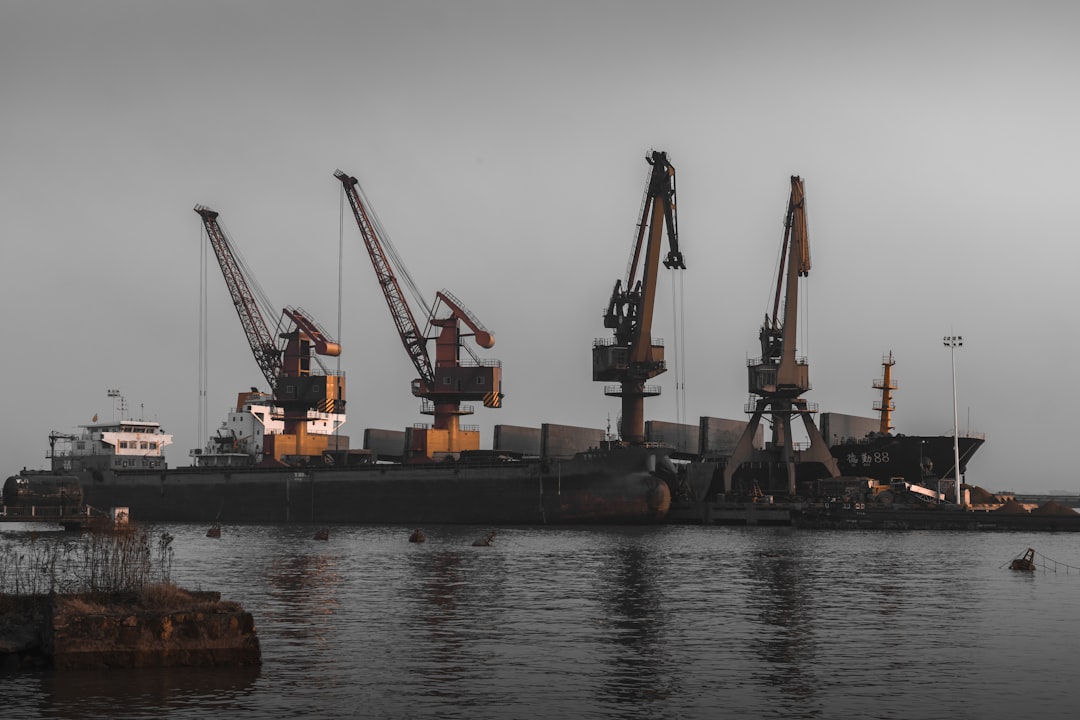
Introduction: A Giant of the Global Shipbuilding Industry
When it comes to the vessels that carry the world’s goods across oceans, one company stands above all others. HD Hyundai Heavy Industries (HD현대중공업, 329180.KS) is the flagship subsidiary of the HD Hyundai group and the world’s largest shipbuilder by revenue and order backlog. Listed on the Korea Exchange (KOSPI), this industrial titan has become one of the most closely watched stocks in Asia as the global shipbuilding industry enters what many analysts are calling a historic supercycle.
For international investors seeking exposure to global trade infrastructure, energy transition, and defense spending—three of the most powerful macro themes of the 2020s—HD Hyundai Heavy Industries offers a compelling and unique investment case. Here’s everything you need to know.
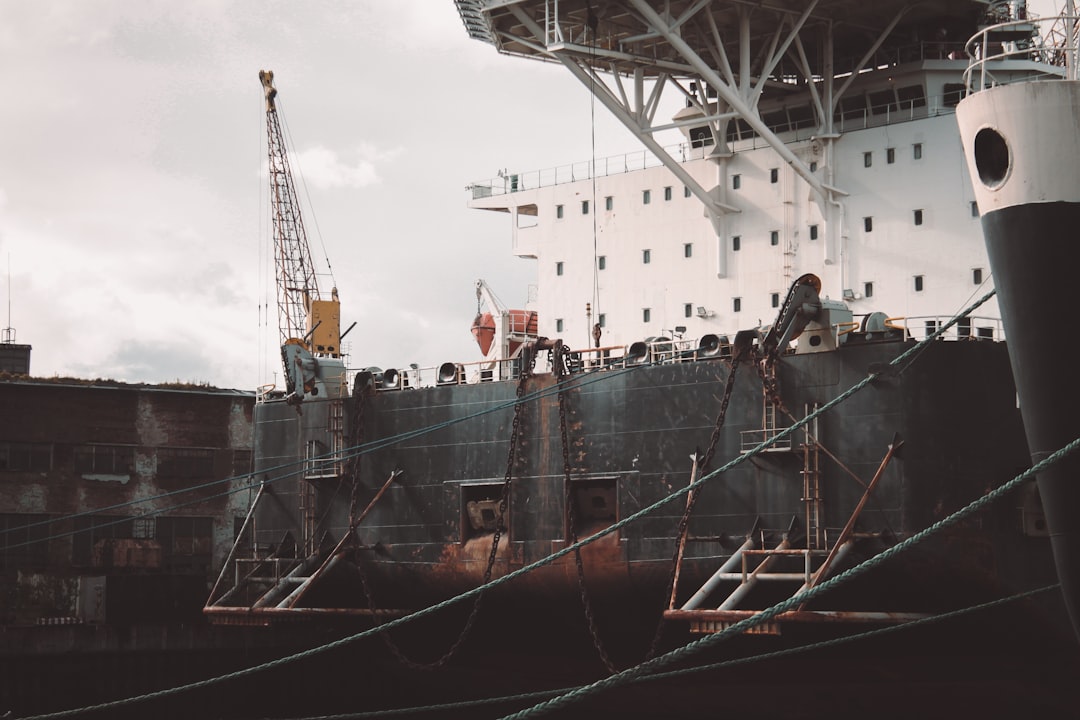
Business Overview: More Than Just Ships
HD Hyundai Heavy Industries traces its roots back to 1972, when the late Chung Ju-yung founded Hyundai Heavy Industries in Ulsan, South Korea. Over five decades later, the company’s sprawling Ulsan shipyard remains the largest single shipbuilding facility on Earth, stretching across roughly 4 million square meters of waterfront.
While shipbuilding is the core business, HD Hyundai Heavy Industries operates across several interconnected segments:
- Shipbuilding: The company builds virtually every type of commercial vessel, including LNG carriers, container ships, crude oil tankers, and bulk carriers. It consistently ranks first or second globally in new ship orders.
- Offshore & Engineering: HD Hyundai Heavy Industries designs and constructs floating production storage and offloading (FPSO) units, offshore platforms, and other complex marine structures for the oil and gas industry.
- Naval & Defense: The company is a key defense contractor for the Republic of Korea Navy, producing destroyers, submarines, and frigates. It is also increasingly pursuing export contracts with allied nations.
- Engine & Machinery: Through affiliated operations, the group manufactures marine engines and propulsion systems, giving it vertical integration advantages that few competitors can match.
This diversified portfolio means HD Hyundai Heavy Industries is not a pure-play bet on any single market—it benefits from commercial shipping demand, energy investment cycles, and rising global defense budgets simultaneously.
Recent Performance: Record Orders and Surging Profitability
The financial trajectory of HD Hyundai Heavy Industries over the past two years has been nothing short of remarkable. After a prolonged downturn in the global shipbuilding industry that lasted from roughly 2015 to 2020, the company has emerged into one of the strongest order environments in decades.
In 2024, the HD Hyundai group—including HD Hyundai Heavy Industries and its sister companies HD Korean Shipbuilding & Offshore Engineering and HD Hyundai Mipo Dockyard—collectively secured over $20 billion in new orders, surpassing annual targets well ahead of schedule. The company’s individual order backlog now extends into 2028 and beyond, providing exceptional revenue visibility.
Several factors are driving this surge:
- Aging global fleet: A significant portion of the world’s commercial fleet is approaching the end of its operational lifespan and must be replaced, creating a structural replacement cycle.
- Environmental regulations: The International Maritime Organization’s (IMO) increasingly stringent emissions standards are forcing shipping companies to order new, fuel-efficient vessels—particularly LNG-powered and ammonia-ready ships, where HD Hyundai Heavy Industries holds technological leadership.
- LNG carrier demand: The global energy transition and the geopolitical reshuffling of natural gas supply chains (accelerated by the Russia-Ukraine conflict) have created an unprecedented wave of LNG carrier orders. HD Hyundai Heavy Industries is the world’s leading builder of these highly complex vessels.
- Rising ship prices: With limited global shipbuilding capacity (many smaller yards closed during the downturn) and surging demand, newbuild ship prices have risen sharply. This translates directly into improving margins for HD Hyundai Heavy Industries, as newer, higher-priced orders flow into revenue recognition.
On the financial front, the company has reported steadily improving operating margins as it works through a backlog increasingly composed of higher-priced contracts. Revenue growth has been robust, and analysts expect profitability to continue expanding through 2025, 2026, and potentially beyond as favorable contract pricing cascades through the income statement. The stock price has reflected this optimism, rising substantially from its 2022 lows, though many analysts argue there is still room for further appreciation given the duration and strength of the current cycle.
Why International Investors Should Pay Attention
There are several reasons HD Hyundai Heavy Industries deserves a place on every global investor’s radar:
1. Dominant market position with high barriers to entry. Building large commercial vessels and LNG carriers requires decades of accumulated expertise, massive capital investment, and deep relationships with classification societies and shipowners. HD Hyundai Heavy Industries sits at the very top of this pyramid. New competitors cannot simply enter this market—China’s shipbuilders have gained share in simpler vessel categories, but Korean builders, and HD Hyundai Heavy Industries in particular, continue to dominate the highest-value, most technically demanding segments like LNG carriers.
2. Multi-year earnings visibility. Unlike many cyclical industrials where investors must guess about future demand, HD Hyundai Heavy Industries has a backlog extending several years into the future. This provides an unusual degree of earnings predictability and reduces downside risk for investors with a medium-term horizon.
3. Exposure to structural mega-trends. The energy transition, the reshoring of supply chains, the expansion of global LNG trade, and rising defense spending across Asia and NATO allies are not short-term phenomena. These are decade-long structural shifts, and HD Hyundai Heavy Industries is positioned at the intersection of all of them.
4. Valuation relative to global peers. Korean industrial stocks have historically traded at a discount to their European and American counterparts—a phenomenon often referred to as the “Korea Discount.” While this gap has narrowed in recent years, HD Hyundai Heavy Industries may still offer relative value compared to global defense and industrial names trading at significantly higher multiples.
5. Corporate governance improvements. The broader HD Hyundai group has undertaken restructuring efforts to improve transparency, streamline its holding structure, and enhance shareholder returns. These initiatives align with South Korea’s broader “Corporate Value-Up” program, which aims to close the valuation gap between Korean companies and their global peers.
For international investors, the stock is accessible through the Korea Exchange under ticker 329180.KS. Many global brokerages now offer direct access to Korean equities, and the stock is also trackable through various MSCI Korea indices and ETFs with Korean industrial exposure.
Conclusion: A Blue-Chip Play on the Future of Global Trade and Energy
HD Hyundai Heavy Industries is not a speculative story—it is the world’s preeminent shipbuilder operating in the strongest market conditions in a generation. With a record-breaking order backlog, improving profitability, exposure to LNG and clean energy shipping, and a growing defense portfolio, the company offers international investors a rare combination of cyclical upside and structural growth.
As global trade patterns shift, energy supply chains are redrawn, and naval defense spending accelerates, the vessels built in Ulsan will remain at the center of these transformations. For investors looking to diversify beyond the usual technology-heavy Korean stock picks, HD Hyundai Heavy Industries represents an industrial powerhouse that is well worth understanding.
Disclaimer: This blog post is for informational and educational purposes only and does not constitute financial advice, investment recommendations, or a solicitation to buy or sell any securities. Investors should conduct their own due diligence and consult with a qualified financial advisor before making any investment decisions. Stock investments carry risk