Introduction: The Holding Company Behind a Global Industrial Empire
When international investors think of Korean industrial giants, names like Samsung and Hyundai Motor often come to mind first. But there’s another Hyundai-affiliated entity that deserves serious attention — HD Hyundai (HD현대, 267250.KS), the holding company that sits atop one of the world’s most formidable shipbuilding, offshore engineering, and heavy industrial groups. Formerly known as Hyundai Heavy Industries Holdings, the company rebranded to HD Hyundai in 2023 as part of a broader strategic repositioning aimed at signaling its ambitions beyond traditional heavy industry.
With a portfolio of subsidiaries spanning shipbuilding, marine engines, oil refining, electrical equipment, robotics, and construction machinery, HD Hyundai represents a compelling entry point into several high-growth global megatrends — from the energy transition and LNG infrastructure buildout to defense modernization and smart manufacturing. For international investors seeking diversified exposure to Korea’s industrial backbone, this is a name worth understanding deeply.
Business Overview: What Does HD Hyundai Actually Own?
HD Hyundai functions as the holding company for a sprawling group of subsidiaries, each operating in strategically important industrial sectors. Understanding the group’s structure is essential for appreciating the investment thesis.
- HD Korea Shipbuilding & Offshore Engineering (HD KSOE): This is the crown jewel. HD KSOE is the world’s largest shipbuilding group by order backlog, controlling three major yards — Hyundai Heavy Industries, Hyundai Mipo Dockyard, and Hyundai Samho Heavy Industries. Together, these yards dominate global orders for LNG carriers, ultra-large container ships, and increasingly, naval defense vessels.
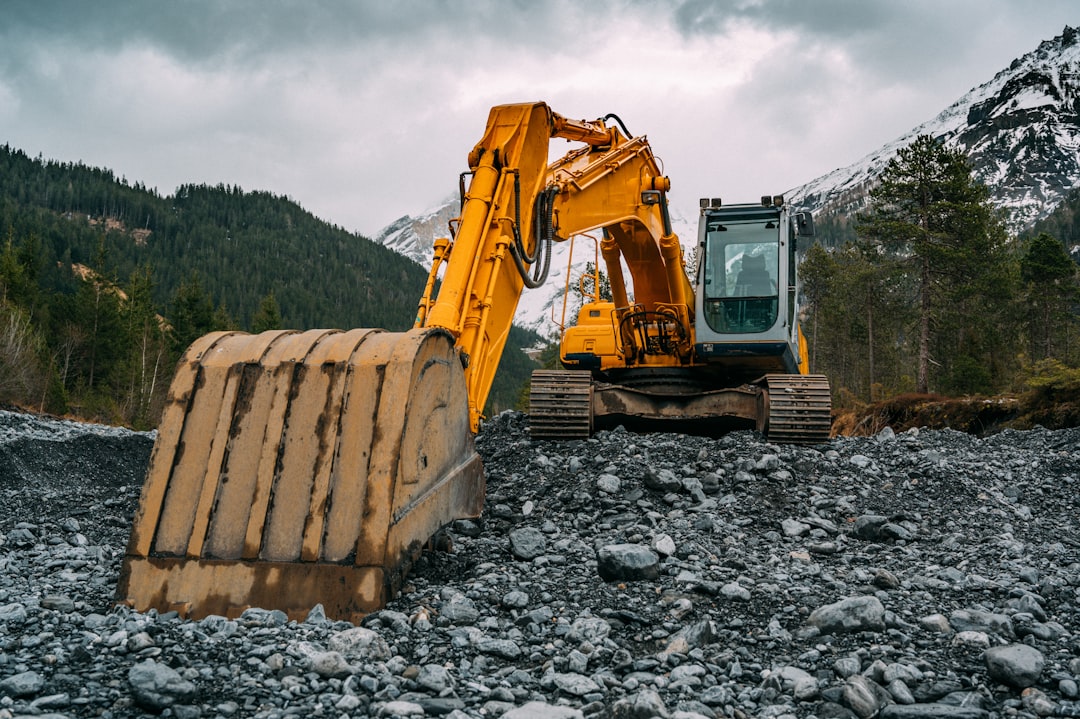
- HD Hyundai Infracore & HD Hyundai Construction Equipment: These subsidiaries manufacture excavators, wheel loaders, and other construction machinery sold across global markets, competing with Caterpillar and Komatsu.
- HD Hyundai Electric: A manufacturer of transformers, switchgear, and power systems that is riding the wave of global grid modernization and data center expansion. Demand for large power transformers has surged worldwide, and HD Hyundai Electric is one of the few companies globally with the capacity to meet it.
- HD Hyundai Oilbank: South Korea’s fourth-largest oil refiner, which adds a significant energy sector dimension to the group’s earnings profile.
- HD Hyundai Robotics: Representing the group’s push into factory automation, collaborative robots, and AI-driven manufacturing solutions.
This diversified structure means HD Hyundai is not a pure-play bet on any single industry. Instead, it offers a portfolio approach to several of the world’s most critical industrial value chains.
Recent Performance: Riding a Historic Shipbuilding Supercycle
HD Hyundai’s financial performance in recent years has been nothing short of remarkable, driven primarily by a historic upcycle in global shipbuilding. After nearly a decade of industry-wide downturn following the 2008 financial crisis, the shipbuilding sector entered a structural recovery around 2021-2022, fueled by several converging forces.
First, the global LNG infrastructure boom — accelerated by Europe’s energy security concerns following Russia’s invasion of Ukraine — has generated unprecedented demand for LNG carriers. HD KSOE has captured a dominant share of these orders, with its yards booked out through 2027 and beyond. Second, aging global fleets and tightening environmental regulations from the International Maritime Organization (IMO) are forcing ship owners to order new, fuel-efficient vessels. Third, rising geopolitical tensions have spurred naval defense spending across Asia-Pacific, Europe, and the Middle East, opening new revenue streams for HD Hyundai’s shipyards.
In 2024, HD Hyundai reported consolidated revenues that reflected robust growth across most business segments. HD KSOE’s order backlog reached record levels, while HD Hyundai Electric posted stellar earnings growth as global demand for power transformers outstripped supply. The company’s stock price appreciated significantly over 2023 and 2024, reflecting investor recognition of these structural tailwinds.
Importantly, the shipbuilding upcycle is widely expected to be a multi-year phenomenon. Unlike previous cycles that were driven by speculative ordering, the current wave is underpinned by genuine structural demand — decarbonization of shipping, LNG fleet expansion, and defense modernization. This gives HD Hyundai a level of earnings visibility that is unusual for cyclical industrials.
Why International Investors Should Pay Attention
There are several compelling reasons why HD Hyundai deserves a spot on the radar of global investors looking beyond the typical Korean tech and consumer names.
1. Unrivaled Scale in a Consolidating Industry: Global shipbuilding has consolidated dramatically, with Korean and Chinese yards now dominating. Among Korean players, HD Hyundai’s shipbuilding group is the undisputed leader. Scale advantages in shipbuilding are significant — they translate to better pricing power, procurement leverage, and the ability to invest in next-generation vessel technologies like ammonia-fueled and autonomous ships.
2. Exposure to the Energy Transition: From LNG carriers that facilitate the bridge fuel transition to power transformers essential for renewable energy grid connections and data center power infrastructure, HD Hyundai is positioned at multiple nodes of the global energy transition. HD Hyundai Electric, in particular, has emerged as a beneficiary of the massive global investment in grid infrastructure, with lead times for large power transformers extending to 2-3 years worldwide.
3. Improving Shareholder Returns: Historically, Korean holding companies traded at steep discounts to their net asset value, partly due to governance concerns and complex cross-shareholding structures. However, Korea’s “Corporate Value-Up” program, launched in 2024, is encouraging listed companies to improve capital allocation, increase dividends, and enhance transparency. HD Hyundai has shown willingness to engage with these reforms, and any narrowing of the holding company discount represents additional upside for investors.
4. Defense Sector Upside: Global defense spending is accelerating, and naval procurement is a key area of growth. HD Hyundai’s shipyards have the capability to build frigates, submarines, and other naval vessels, positioning the group as a potential beneficiary of increased allied defense cooperation and exports to countries seeking to modernize their navies.
5. Valuation Opportunity: Despite the strong run-up in share price, HD Hyundai’s valuation remains reasonable relative to global industrial peers when considering the multi-year earnings growth trajectory supported by its record order backlog. The holding company structure also means investors are effectively acquiring the subsidiaries at a discount to their aggregate market value.
Conclusion: A Korean Industrial Champion for the New Energy Era
HD Hyundai represents a rare combination in global equity markets: a diversified industrial conglomerate with dominant market positions in structurally growing sectors, a multi-year earnings visibility window, and potential catalysts from Korean corporate governance reform. For international investors seeking exposure to the global shipbuilding supercycle, the energy transition, grid modernization, and defense spending trends — all through a single, listed Korean holding company — HD Hyundai offers a compelling proposition.
As with any investment in Korean equities, investors should be mindful of currency risk (KRW exposure), holding company discount dynamics, and the cyclical nature of some business segments. However, the structural demand drivers underpinning HD Hyundai’s core businesses suggest this cycle has considerably more room to run than many investors currently appreciate.
Disclaimer: This blog post is for informational and educational purposes only and does not constitute financial advice, investment recommendations, or a solicitation to buy or sell any securities. Investors should conduct their own due diligence and consult with a qualified financial advisor before making any investment decisions. Stock investments carry risk, including the potential loss of principal.