Introduction: A Legacy Conglomerate Reinventing Itself for the Modern Era
When international investors think of South Korea’s corporate giants, names like Samsung, Hyundai, and LG often dominate the conversation. But one of the country’s most strategically important and increasingly influential conglomerates deserves far more global attention: Hanwha Corporation (한화, 000880.KS). As the holding entity and trading arm of the broader Hanwha Group — South Korea’s seventh-largest chaebol by assets — Hanwha Corporation sits at the nexus of defense, energy, chemicals, and global trade.
With geopolitical tensions reshaping global defense spending, an accelerating energy transition driving demand for solar and clean energy infrastructure, and South Korea’s growing role as an arms exporter, Hanwha Corporation has emerged as a compelling story for international investors seeking diversified exposure to some of the most consequential themes of the 2020s and beyond.
Business Overview: From Explosives to a Diversified Powerhouse
Hanwha Corporation traces its roots back to 1952, when it was founded as Korea Explosives Corporation during the Korean War. Over the ensuing seven decades, the company transformed itself from a single-product manufacturer into a sprawling conglomerate with operations spanning multiple high-value sectors. Today, Hanwha Corporation operates through several core divisions:
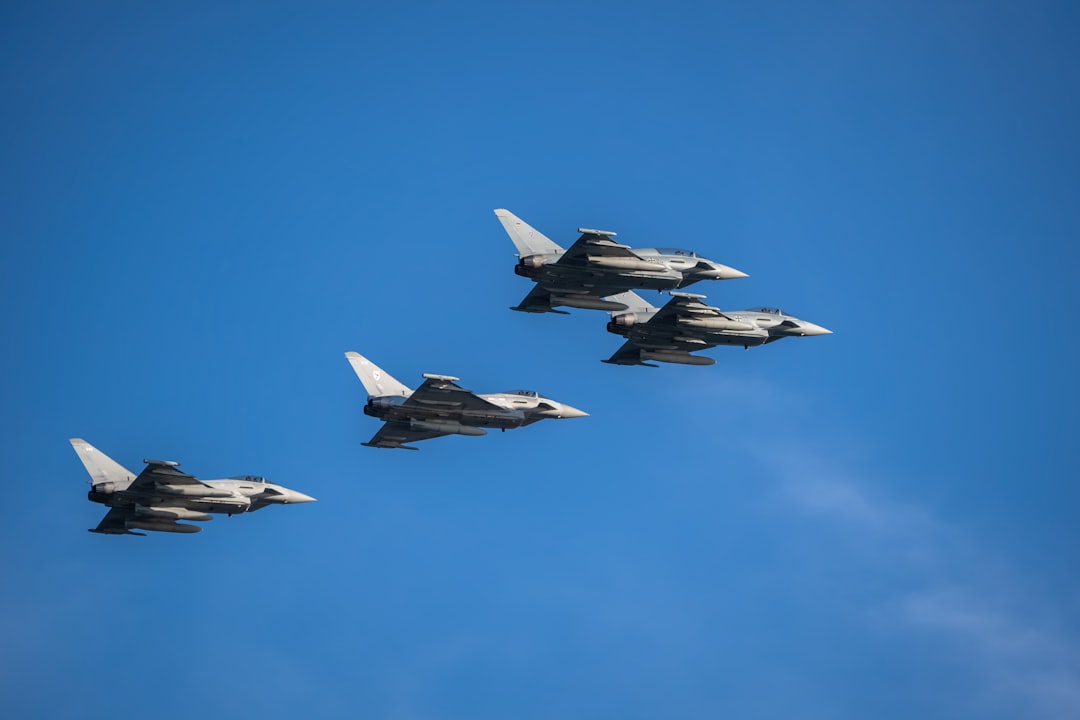
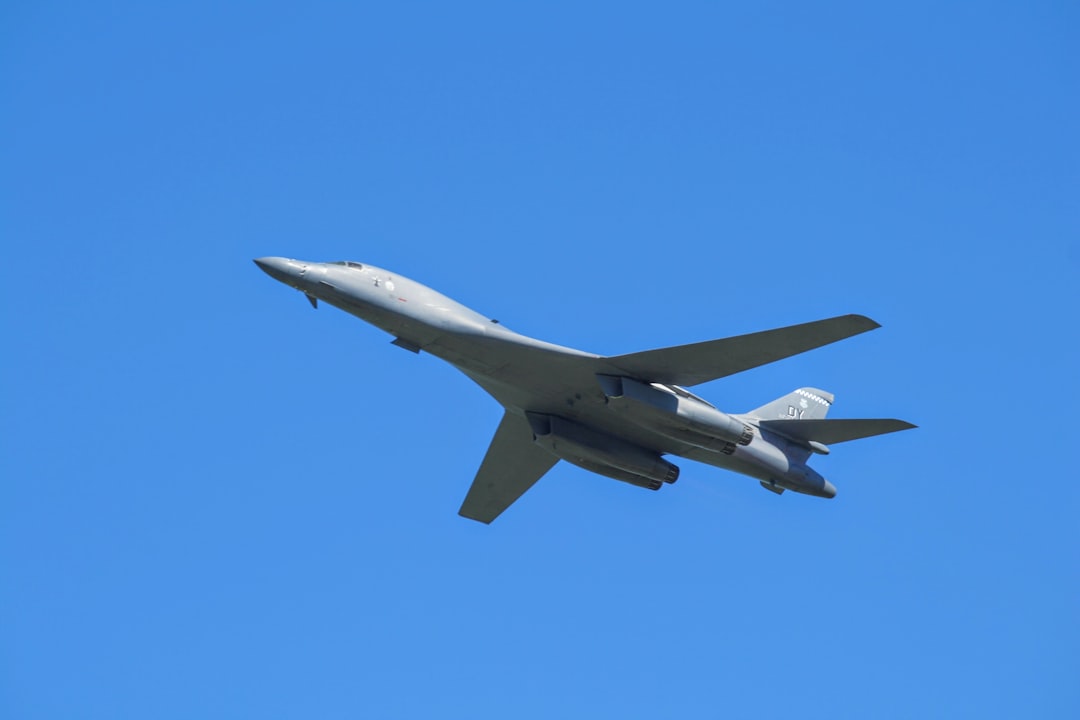
- Defense & Aerospace: Hanwha Corporation’s defense division is one of its most high-profile segments. The company manufactures ammunition, propellants, warheads, and explosive systems. While the more advanced weapons platforms — such as the K9 self-propelled howitzer and guided munitions — are produced by subsidiary Hanwha Aerospace, the parent company plays a critical role in the defense supply chain. South Korea has rapidly become one of the world’s top arms exporters, with major deals signed with Poland, Australia, and several Middle Eastern nations. Hanwha Corporation benefits directly from this boom.
- Global Trading (Hanwha Corporation/Trading): The company operates a significant global trading business, dealing in chemicals, steel, machinery, and energy resources. This segment provides stable revenue streams and positions the company as a key intermediary in international commodity and industrial supply chains.
- Chemicals & Materials: Through its chemical operations, Hanwha Corporation produces a range of products including explosives for industrial use, chemical compounds, and advanced materials. This division supports both the company’s defense operations and broader industrial customers.
- Energy & Sustainability: As a parent entity within the Hanwha Group, the corporation is closely tied to the group’s massive push into renewable energy. Hanwha Solutions (through its Q Cells brand) is one of the world’s largest solar panel manufacturers, and the group has made significant investments in hydrogen, energy storage, and green infrastructure.
This diversified portfolio gives Hanwha Corporation a rare combination of defensive stability and growth potential — a balance that many international portfolio managers find attractive in today’s uncertain macro environment.
Recent Performance and Strategic Momentum
Hanwha Corporation’s recent financial performance reflects the powerful tailwinds driving its core businesses. The company has seen meaningful revenue growth driven by elevated defense demand and robust trading activity. South Korea’s defense export boom has been nothing short of extraordinary — the country’s arms exports surged past $17 billion in contracts in 2022-2023, and the pipeline continues to grow. As a foundational supplier of munitions and defense materials, Hanwha Corporation is a direct beneficiary of this trend.
On the stock market, shares listed on the Korea Exchange under ticker 000880.KS have attracted increased attention from both domestic and foreign institutional investors. The broader “K-Defense” investment theme has driven significant capital flows into Hanwha Group-affiliated companies, and the parent corporation has benefited from this re-rating.
Strategically, Hanwha Corporation has also been active in reshaping its portfolio. The Hanwha Group has undertaken significant corporate restructuring in recent years, consolidating its defense and aerospace operations, spinning off and listing key subsidiaries, and streamlining its holding structure. For Hanwha Corporation, this means a clearer value proposition for investors: direct exposure to defense and trading, with indirect upside from the group’s solar, aerospace, and financial services businesses.
The company has also expanded its global footprint. Hanwha Group acquired a stake in Daewoo Shipbuilding & Marine Engineering (now Hanwha Ocean), pushing into naval defense — a segment with enormous long-term potential given rising maritime security concerns across the Indo-Pacific. While Hanwha Ocean is a separate listed entity, the synergies across the group ecosystem strengthen Hanwha Corporation’s strategic position.
Why International Investors Should Pay Attention
For international investors, Hanwha Corporation presents several compelling investment considerations:
- Geopolitical tailwinds: Global defense spending is rising at its fastest pace in decades. NATO members are racing to meet spending targets, Indo-Pacific nations are modernizing their militaries, and South Korea has positioned itself as a reliable and cost-effective arms supplier. Hanwha Corporation is embedded at the heart of this structural shift.
- Energy transition exposure: Through its group affiliations — particularly Hanwha Solutions and its Q Cells solar business — investors gain indirect exposure to the global clean energy boom. The U.S. Inflation Reduction Act (IRA) has been particularly beneficial, as Hanwha has committed billions of dollars to building solar manufacturing capacity in the United States, including a massive facility in Georgia.
- Valuation discount: Like many Korean holding companies, Hanwha Corporation has historically traded at a discount to the sum of its parts — a phenomenon often referred to as the “Korea discount.” However, South Korea’s ongoing corporate governance reforms, including the government’s “Corporate Value-Up” program launched in 2024, are designed to address this issue. If successful, holding companies like Hanwha Corporation could see meaningful valuation re-ratings.
- Diversification benefits: Hanwha Corporation’s mix of defense, trading, chemicals, and energy provides natural diversification. In an era of macroeconomic uncertainty, this multi-sector resilience can be particularly valuable for global portfolios.
- Growing brand recognition: Hanwha Group has been aggressively building its global brand — from naming rights on major sports venues to high-profile sponsorships and strategic acquisitions in the West. Greater brand awareness typically translates to greater investor interest and liquidity over time.
Of course, risks remain. Currency fluctuations between the Korean won and investors’ home currencies can impact returns. The Korean holding company discount may persist despite reform efforts. Geopolitical risks — particularly on the Korean Peninsula — are ever-present, though the market has historically proven resilient to such concerns. Additionally, the cyclical nature of the trading and chemicals businesses can introduce earnings volatility.
Conclusion: A Conglomerate at the Crossroads of Global Megatrends
Hanwha Corporation represents a unique opportunity for international investors to access multiple global megatrends — defense modernization, the energy transition, and the rise of South Korea as a geopolitical and industrial power — through a single, well-established Korean conglomerate. With decades of operational history, a diversified business portfolio, and powerful structural tailwinds at its back, the company deserves serious consideration from global investors looking beyond the usual suspects in the Korean market.
As South Korea continues to assert itself on the world stage — both as a defense powerhouse and a clean energy leader — Hanwha Corporation stands to be one of the most significant beneficiaries. For those willing to look deeper into the Korean market, this is a name worth knowing.

Disclaimer: This blog post is for informational purposes only and does not constitute financial advice, investment recommendations, or a solicitation to buy or sell any securities. Investors should conduct their own due diligence and consult with a qualified financial advisor before making any investment decisions. Stock investments carry risk, including the potential loss of principal. Past performance is not indicative of future results.