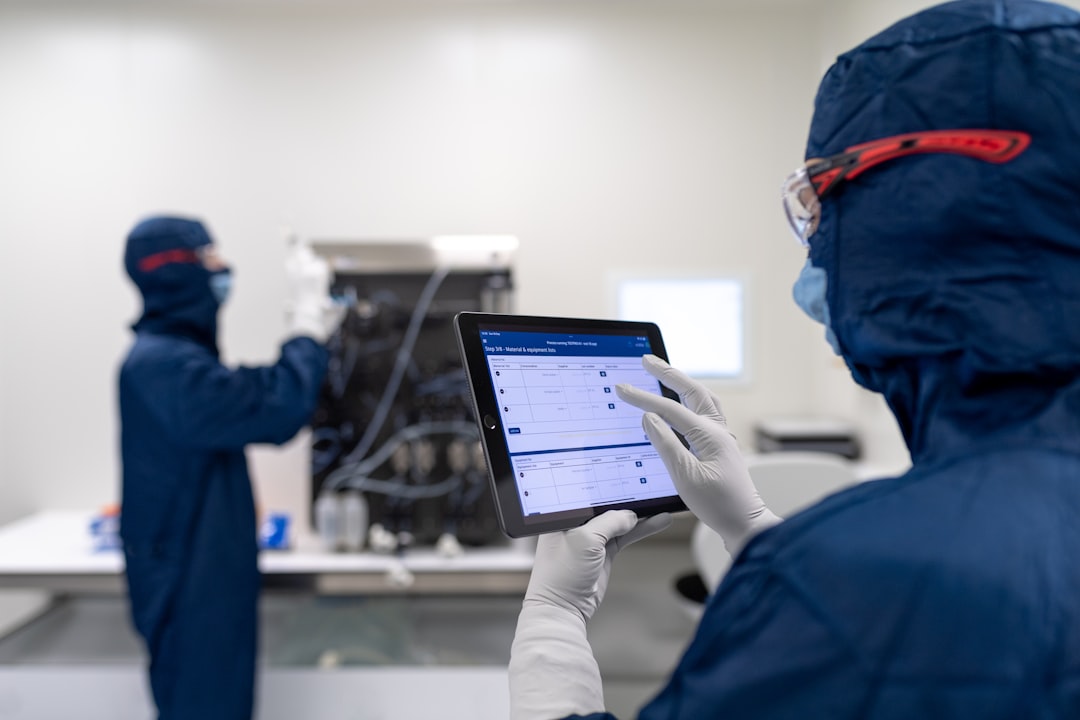
Introduction: A Biotech Giant Hiding in Plain Sight
When international investors think of Samsung, smartphones, semiconductors, and displays typically come to mind. But within the sprawling Samsung empire lies a company that has quietly become one of the most important players in the global biopharmaceutical supply chain. Samsung Biologics (삼성바이오로직스, 207940.KS) is the world’s largest contract development and manufacturing organization (CDMO) by production capacity, and its meteoric rise over the past decade has made it one of the most valuable companies on the Korea Exchange (KRX).
With a market capitalization regularly exceeding 50 trillion Korean won (approximately $38 billion USD), Samsung Biologics stands as a top-five constituent of the KOSPI index. For international investors seeking exposure to the high-growth biologics manufacturing sector—or looking to diversify their Korean equity holdings beyond tech and heavy industry—this company deserves serious attention.
Business Overview: What Samsung Biologics Actually Does
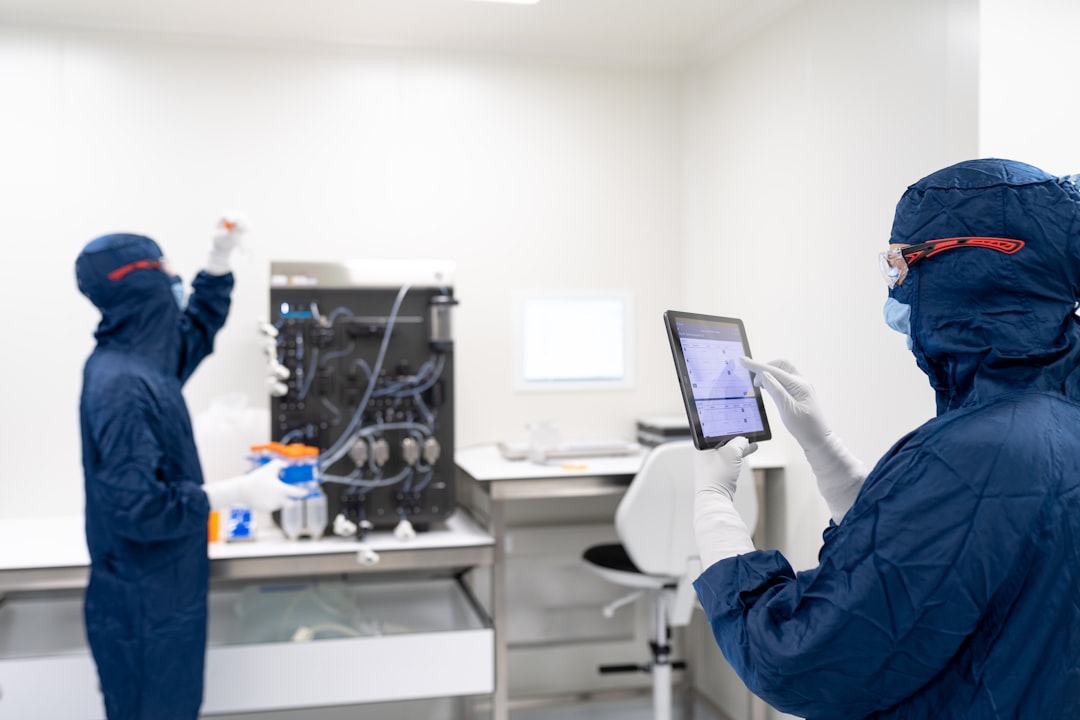
Founded in 2011 as a joint venture between Samsung Group and Archigen Biotech (a subsidiary of what is now Biogen), Samsung Biologics operates as a CDMO. In simple terms, the company manufactures biologic drugs—complex protein-based medicines such as monoclonal antibodies, fusion proteins, and antibody-drug conjugates—on behalf of global pharmaceutical and biotech companies.
Rather than developing its own drugs, Samsung Biologics serves as the factory floor for some of the world’s biggest pharmaceutical names. Its client roster includes Bristol-Myers Squibb, Roche, AstraZeneca, Moderna, and dozens of other major and emerging biopharma companies. This business model offers a compelling risk profile: the company benefits from the explosive growth of biologics without bearing the enormous R&D risk and regulatory uncertainty that drug developers face.
Unmatched Manufacturing Scale
Samsung Biologics operates out of its massive biomanufacturing complex in Songdo, Incheon, South Korea. The campus currently houses four operational plants:
- Plant 1: 30,000 liters of bioreactor capacity (operational since 2013)
- Plant 2: 152,000 liters of capacity (operational since 2016)
- Plant 3: 180,000 liters of capacity (operational since 2018)
- Plant 4: 256,000 liters of capacity (fully operational as of 2023)
With Plant 4 now online, Samsung Biologics boasts a total capacity exceeding 600,000 liters—making it the single largest biomanufacturing site in the world. The company has also announced plans for a fifth plant, which is expected to add another 180,000 liters and come online around 2025-2026. This relentless capacity expansion reflects surging global demand for biologic drug manufacturing and the company’s ambition to stay ahead of competitors like Lonza, WuXi Biologics, and Fujifilm Diosynth.
The Biosimilar Arm: Samsung Bioepis
Samsung Biologics also holds a majority stake in Samsung Bioepis, a biosimilar development company. Biosimilars are essentially generic versions of biologic drugs, and Samsung Bioepis has successfully launched several blockbuster biosimilars in global markets, including copies of Humira (adalimumab), Remicade (infliximab), Herceptin (trastuzumab), and Avastin (bevacizumab). This subsidiary adds a layer of growth potential and vertically integrates the company’s biologics capabilities from development through commercial manufacturing.
Recent Performance: Strong Momentum and Record Backlogs
Samsung Biologics has delivered impressive financial performance in recent years, driven by robust demand for outsourced biologics manufacturing. In 2023, the company reported record revenues of approximately 3.7 trillion won (around $2.8 billion USD), representing year-over-year growth of roughly 22%. Operating profit margins have consistently hovered in the high-20% to low-30% range, a testament to the operating leverage inherent in large-scale biomanufacturing.
Perhaps more important than trailing results is the company’s contract backlog, which serves as a forward-looking indicator of revenue visibility. As of early 2024, Samsung Biologics reported a cumulative contract backlog exceeding $12 billion USD—a figure that has grown dramatically year after year and provides exceptional earnings visibility for a manufacturing business. New contract wins have accelerated as global pharmaceutical companies increasingly seek to outsource production to reliable, large-scale partners.
Navigating Macro and Industry Tailwinds
Several structural trends are working in Samsung Biologics’ favor:
- Biologics market growth: Biologic drugs are the fastest-growing segment of the pharmaceutical industry, with global sales expected to surpass $600 billion by 2030. As more biologics gain approval, demand for manufacturing capacity grows in tandem.
- Outsourcing trends: Pharmaceutical companies are increasingly outsourcing manufacturing to CDMOs rather than building expensive in-house facilities. This trend accelerated during and after the COVID-19 pandemic, which exposed supply chain vulnerabilities.
- Geopolitical diversification: With growing concerns about dependence on China-based CDMOs (notably WuXi Biologics) amid U.S.-China tensions and the proposed BIOSECURE Act in the United States, South Korea-based manufacturers like Samsung Biologics stand to benefit as Western pharma companies seek geopolitically safer alternatives.
- Biosimilar adoption: The global biosimilar market is expanding rapidly as patents on blockbuster biologics expire, benefiting Samsung Bioepis and, by extension, Samsung Biologics’ manufacturing volumes.
Why International Investors Should Pay Attention
Samsung Biologics presents a differentiated investment opportunity for several reasons. First, it offers pure-play exposure to the secular growth of biologics manufacturing—a segment that is difficult to access through most Western-listed equities without also taking on drug development risk. Second, the company’s scale advantages and Samsung brand credibility create meaningful competitive moats in an industry where regulatory compliance, quality track records, and capacity reliability are paramount.
Third, the stock provides diversification benefits. While many Korean equities are heavily tied to cyclical industries like semiconductors, shipbuilding, and automotive, Samsung Biologics is driven by the relatively defensive and non-cyclical demand for pharmaceutical manufacturing. Healthcare spending tends to be resilient even during economic downturns, providing a degree of earnings stability.
That said, investors should be aware of key risks. Valuation has historically been a concern—Samsung Biologics has often traded at a premium to CDMO peers, with price-to-earnings ratios above 50x. Currency fluctuations between the Korean won and the U.S. dollar can impact reported earnings and returns for foreign investors. Additionally, any slowdown in the biologics pipeline or increased competition from other CDMOs could pressure growth and margins. The company also faced an accounting controversy in 2018 related to its valuation of the Samsung Bioepis stake, which led to regulatory scrutiny and remains a reputational footnote that some investors weigh carefully.
Conclusion: A Strategic Holding for the Biologics Revolution
Samsung Biologics has established itself as an indispensable partner to the global pharmaceutical industry. With the world’s largest biomanufacturing capacity, a record-breaking contract backlog, and powerful structural tailwinds from biologics growth and geopolitical supply chain shifts, the company is well-positioned for sustained long-term growth. For international investors looking to gain exposure to the booming biologics sector through a well-managed, scale-advantaged Korean blue-chip, Samsung Biologics deserves a place on the watchlist—if not in the portfolio.
Disclaimer: This blog post is for informational and