
Introduction: A Cornerstone of Korean Retail
When international investors think of South Korean stocks, names like Samsung, Hyundai, and SK Hynix typically dominate the conversation. But beneath the surface of Korea’s semiconductor and automotive giants lies a vast consumer economy — and at the heart of it stands Lotte Shopping (롯데쇼핑, 023530.KS), one of the country’s largest and most diversified retail conglomerates.
Listed on the Korea Exchange under ticker 023530.KS, Lotte Shopping is a flagship subsidiary of the Lotte Group, one of South Korea’s five largest chaebols (family-controlled industrial conglomerates). With operations spanning department stores, hypermarkets, supermarkets, convenience stores, and e-commerce, Lotte Shopping offers investors a multifaceted window into the Korean consumer landscape. For those looking to diversify beyond technology-heavy Korean portfolios, this retail heavyweight deserves a closer look.
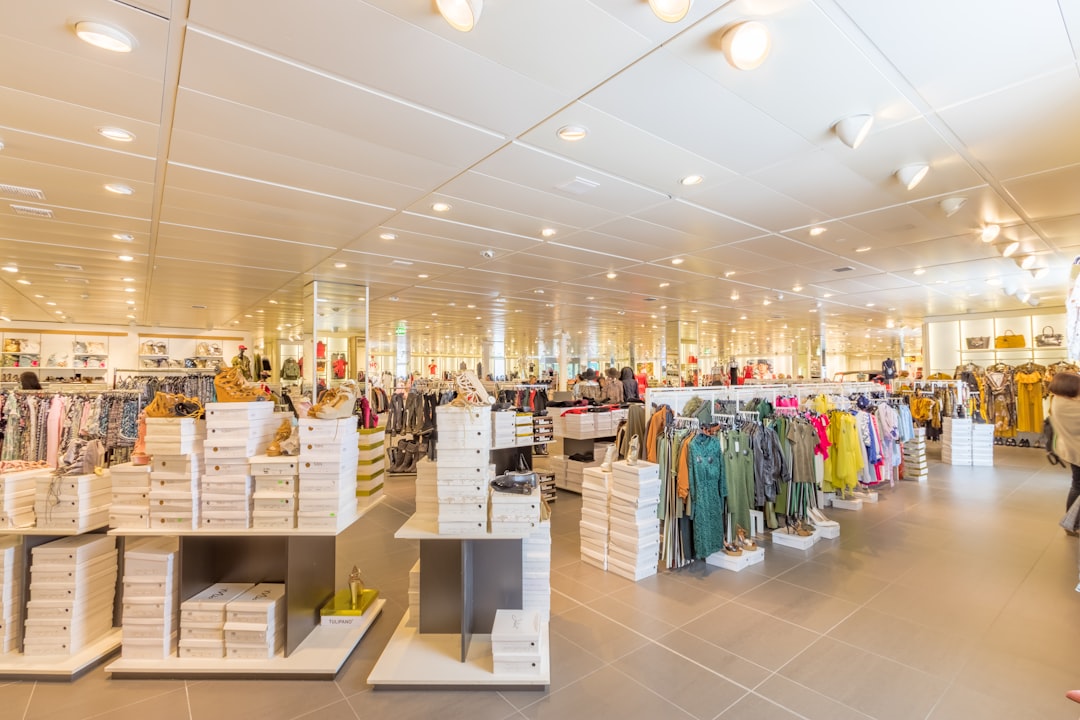
Business Overview: A Diversified Retail Empire
Lotte Shopping operates through several core business divisions, each targeting different segments of the Korean consumer market and, increasingly, international markets as well.
- Department Stores (Lotte Department Store): The company operates one of Korea’s premier department store chains, with flagship locations in major cities including its iconic Myeongdong store in Seoul. These stores cater to middle- and upper-income consumers, offering luxury brands, fashion, cosmetics, and lifestyle products. Lotte Department Store consistently ranks among the top two department store operators in South Korea alongside Shinsegae.
- Hypermarkets and Supermarkets (Lotte Mart & Lotte Super): Lotte Mart is a large-format hypermarket chain competing with E-Mart and Homeplus in the Korean market. While domestic competition has intensified, the chain has also expanded into select overseas markets including Vietnam and Indonesia. Lotte Super focuses on neighborhood-scale grocery retail.
- Convenience Stores: Through its stake in the broader Lotte ecosystem, the group is connected to convenience store operations, though this segment has seen increasing competitive pressure from rivals like GS25, CU, and 7-Eleven Korea.
- E-commerce: Lotte Shopping has been investing heavily in its digital transformation through Lotte ON, its integrated online shopping platform. This initiative reflects the company’s recognition that Korean consumers are among the world’s most digitally connected shoppers, with e-commerce penetration rates that rank among the highest globally.
Beyond Korea, Lotte Shopping maintains an international footprint, particularly in Southeast Asia. Its operations in Vietnam — where Lotte Mart has established a meaningful presence — represent a long-term growth bet on the region’s rising middle class and rapidly expanding consumer economy.
Recent Performance and Strategic Restructuring
Like many traditional brick-and-mortar retailers worldwide, Lotte Shopping has faced significant headwinds in recent years. The COVID-19 pandemic accelerated the shift to online shopping, pressuring foot traffic at department stores and hypermarkets. Meanwhile, intense domestic competition from e-commerce platforms such as Coupang, SSG.com (backed by Shinsegae), and Naver Shopping has squeezed margins across the retail sector.
In response, Lotte Shopping has embarked on a multi-year restructuring strategy focused on several key priorities:
- Store Rationalization: The company has closed underperforming Lotte Mart and department store locations, both domestically and in certain overseas markets (notably exiting China entirely). This pruning strategy aims to improve overall profitability by concentrating resources on high-performing locations.
- Asset Monetization: Lotte Shopping sits on a substantial real estate portfolio. The company has been exploring ways to unlock value from these assets, including redeveloping retail properties into mixed-use complexes that combine shopping, entertainment, office space, and residential units. This approach mirrors successful strategies employed by other global retail property owners.
- Digital Investment: The Lotte ON platform is central to the company’s omnichannel strategy. While it remains a challenger compared to Coupang’s dominant market position, Lotte Shopping’s ability to integrate online and offline experiences — leveraging its extensive physical store network for click-and-collect services and same-day delivery — gives it a differentiated value proposition.
- Focus on Premium Experiences: The department store division has leaned into experiential retail, adding premium dining, art exhibitions, and curated luxury experiences to attract high-spending consumers who still value in-store shopping. This strategy has shown encouraging results, with the department store segment generally outperforming the hypermarket business in recent quarters.
Financially, Lotte Shopping has shown signs of stabilization. After several years of declining revenues and compressed margins, the company’s restructuring efforts have begun to bear fruit. Operating losses have narrowed in underperforming divisions, and the department store segment has delivered relatively resilient performance driven by the recovery in luxury spending and tourism — particularly as international visitors have returned to Korea following the post-pandemic reopening.
However, investors should note that Lotte Shopping’s stock price has languished well below its book value for an extended period, reflecting the market’s skepticism about traditional retail’s long-term growth prospects and broader concerns about Lotte Group’s complex corporate governance structure.
Why International Investors Should Pay Attention
Despite the challenges, there are several compelling reasons for international investors to keep Lotte Shopping on their radar:
- Deep Value Opportunity: Lotte Shopping trades at a significant discount to its net asset value, largely due to its extensive real estate holdings that the market appears to undervalue. For value-oriented investors, this discount could represent an opportunity — particularly if the company successfully executes its asset redevelopment plans.
- Korea’s “Corporate Value-Up” Program: The South Korean government has launched initiatives to encourage listed companies to improve shareholder returns and close the so-called “Korea discount.” As a major conglomerate subsidiary trading below book value, Lotte Shopping could be a beneficiary of these regulatory tailwinds if management takes steps to enhance capital allocation and shareholder communication.
- Southeast Asian Exposure: Lotte Shopping’s presence in Vietnam and other Southeast Asian markets provides exposure to some of the world’s fastest-growing consumer economies. As these markets mature, Lotte’s early-mover advantage could translate into meaningful long-term value creation.
- Tourism Recovery: Korea has seen a significant rebound in inbound tourism, driven by the global popularity of K-culture (K-pop, K-drama, Korean cuisine, and K-beauty). Lotte Department Store’s flagship locations are prime beneficiaries of this trend, as international tourists — particularly from China and Southeast Asia — are key customers for luxury and duty-free shopping.
- Conglomerate Restructuring Potential: The broader Lotte Group has undergone leadership transitions and restructuring in recent years. Any moves to simplify the group’s holding structure or improve transparency could serve as catalysts for re-rating Lotte Shopping’s stock.
Conclusion: A Complex but Intriguing Korean Retail Play
Lotte Shopping is not a simple growth story. It is a complex, multi-segment retail conglomerate navigating the difficult transition from traditional brick-and-mortar dominance to an omnichannel future — all while operating within the intricate dynamics of a Korean chaebol structure. The stock carries real risks, including continued e-commerce disruption, execution risk on restructuring plans, and governance concerns common to Korean conglomerate subsidiaries.
Yet for international investors willing to look beyond the headline challenges, Lotte Shopping offers a rare combination of deep asset value, exposure to Korea’s vibrant consumer economy, and optionality on Southeast Asian growth and corporate governance reform. As Korea’s capital markets continue to evolve and open up to global participation, companies like Lotte Shopping may offer hidden value that the broader market has yet to fully appreciate.

Disclaimer: This blog post is for informational and educational purposes only and does not